Wooden floor cleaning mistakes like using too much water, harsh chemical cleaners, steam mops, ignoring spills, and failing to remove dirt can quickly ruin wooden floors by causing warping, scratches, dull finishes, and permanent damage. Wood is a natural material that easily absorbs moisture and reacts to heat or chemicals, so the wrong cleaning methods can weaken the protective finish and damage the floor structure over time. Avoiding these common mistakes and using proper cleaning techniques helps keep wooden floors strong, shiny, and long-lasting.
Table of Contents
ToggleUsing Too Much Water or Steam Cleaning
One of the biggest wooden floor cleaning mistakes is using excessive water. Wooden floors are porous, which means they can absorb moisture. When a mop is soaking wet or water is left standing on the surface, the moisture seeps into the seams between planks.
Over time, this can lead to serious problems such as:
- Warping or swelling of the wood
- Cupping or uneven boards
- Mold growth under the floor
- Permanent structural damage
Steam mops are even more dangerous. They combine high heat with moisture, which forces water deep into the wood layers. This can weaken adhesives in engineered wood and slowly destroy the protective finish.
What to do instead:
- Use a slightly damp microfiber mop
- Avoid puddles or standing water
- Dry the floor immediately after cleaning
Using Harsh Chemicals or the Wrong Cleaning Products
Many homeowners believe that strong cleaners will make floors cleaner, but this is another myth about wood floor cleaning services in Oceanside. Products like bleach, ammonia, acidic cleaners, and even vinegar can break down the protective finish of hardwood floors.
When the finish is damaged, the wood underneath becomes exposed. This leads to:
- Dull or cloudy-looking floors
- Discoloration and fading
- Increased scratching and wear
Oil soaps, wax products, and heavy polishes can also leave behind a sticky residue that attracts dirt and makes the floor harder to maintain.
Better solution:
- Use a pH-neutral cleaner specifically made for wood floors
- Apply only a small amount of cleaning solution
- Avoid DIY mixtures that contain acidic ingredients
Ignoring Dirt, Grit, and Small Scratches
Dust, sand, and small debris may seem harmless, but they act like sandpaper on wooden floors. When people walk across the floor, these particles rub against the finish and slowly scratch the surface.
Another common issue is moving furniture without protection. Chairs, sofas, and tables can easily leave deep scratches or dents.
Signs this mistake is happening:
- Fine scratches are appearing across the floor
- Dull or worn areas in high-traffic spots
- Visible marks from furniture legs
Prevention tips:
- Sweep or vacuum floors regularly
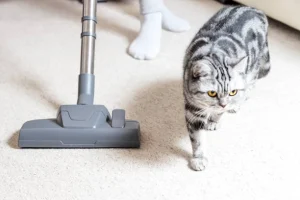
- Turn off the vacuum beater bar or brush roll
- Use felt pads under furniture legs
- Place rugs in high-traffic areas
Leaving Spills or Pet Accidents Too Long
Liquids are extremely harmful to wooden floors when they are not cleaned quickly. Water, juice, coffee, or pet urine can seep into the joints between planks and cause long-term damage.
If spills remain on the floor for too long, they can cause:
- Dark stains in the wood
- Swelling and warping
- Unpleasant odors
- Mold or bacterial growth
Pet accidents are particularly damaging because the liquid can penetrate deeper into the wood fibers.
Best practice:
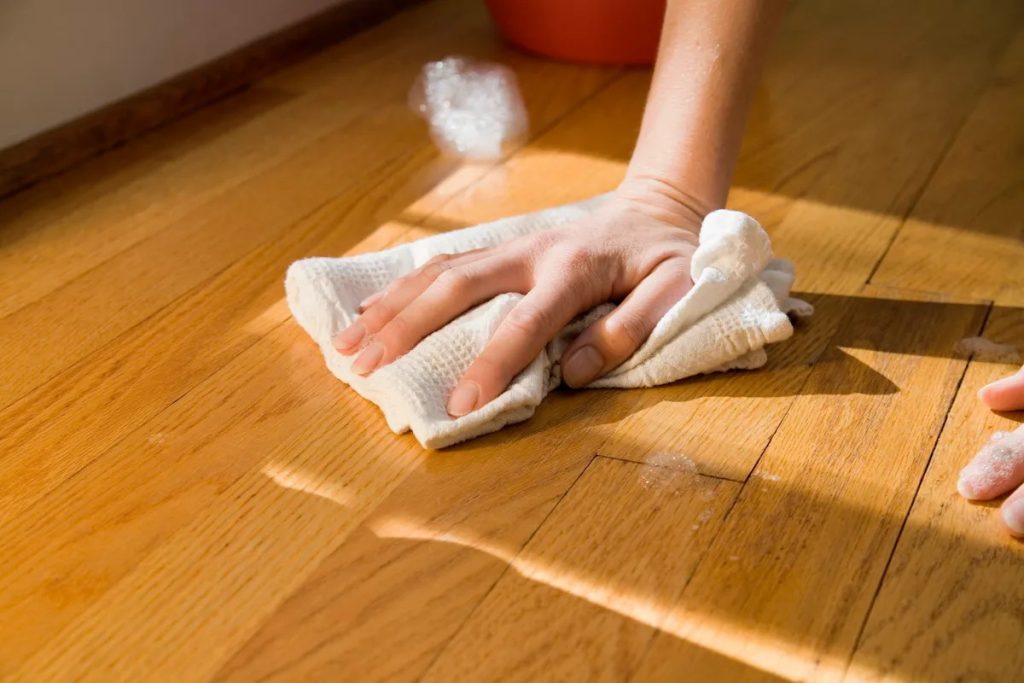
- Wipe spills immediately
- Use a soft microfiber cloth
- Avoid letting liquids sit on the surface
Skipping Preventive Protection (Rugs, Pads, and Sunlight Control)
Many homeowners focus only on cleaning but forget about preventative maintenance, which is just as important for protecting wooden floors.
Without proper protection:
- Sand and dirt from shoes can scratch the floor
- Heavy furniture can dent the surface
- Sunlight can fade and discolor wood over time
Rubber-backed mats are also problematic because they trap moisture underneath and may leave marks on the finish.
Smart prevention strategies:
- Place door mats at entryways
- Use breathable rugs in busy areas
- Install felt pads under furniture
- Control sunlight with curtains or blinds
Simple Tips to Protect Wooden Floors
Following the right maintenance routine can significantly extend the life of your flooring.
Here are some expert tips:
- Use a microfiber mop instead of a traditional string mop
- Choose pH-neutral hardwood floor cleaners
- Sweep regularly to remove abrasive dirt
- Keep indoor humidity balanced to prevent wood movement
- Clean spills immediately to prevent staining
These simple steps can help keep wooden floors looking beautiful for many years.
Why Proper Wood Floor Care Matters?
Wooden flooring is one of the most valuable features in a home. It adds elegance, increases property value, and can last for decades when properly maintained. However, repeated wooden floor cleaning mistakes can shorten its lifespan dramatically.
Professional floor cleaning services can help remove deep dirt, restore shine, and prevent long-term damage caused by improper cleaning methods.
Keep Your Wooden Floors Looking Their Best
Avoiding these wooden floor cleaning mistakes can protect your flooring investment and keep your home looking beautiful for years. If your floors need deep cleaning or professional care, expert help can restore their shine and durability safely.
Get in touch today to learn how professional floor cleaning services can help maintain and protect your wooden floors.
Frequently Asked Questions
1. What is the biggest mistake when cleaning wooden floors?
Using too much water is the most common mistake. Excess moisture can seep into the wood and cause warping, swelling, and permanent damage.
2. Can steam mops damage hardwood floors?
Yes. Steam mops combine heat and moisture, which can weaken the floor finish and force water deep into the wood.
3. Is vinegar safe for wooden floors?
No. Vinegar is acidic and can slowly break down the protective finish on hardwood floors.
4. How often should wooden floors be cleaned?
Light sweeping or vacuuming should be done several times per week, while damp mopping should be done occasionally using a wood-safe cleaner.
5. What is the best way to prevent scratches on wood floors?
Use felt pads under furniture, place rugs in high-traffic areas, and remove dirt regularly to prevent scratching.