Table of Contents
Keeping your floors and countertops clean is important, but different surfaces need different care. Two popular materials are tile and natural stone. They might look similar, but cleaning tile and cleaning stone are not the same. Using the wrong cleaning method can damage your floors or make them look dull.
In this blog, we’ll explain what tile and stone are, how cleaning them is different, common mistakes people make, and how professionals like Silver Olas Cleaning can help you.
What is Tile?
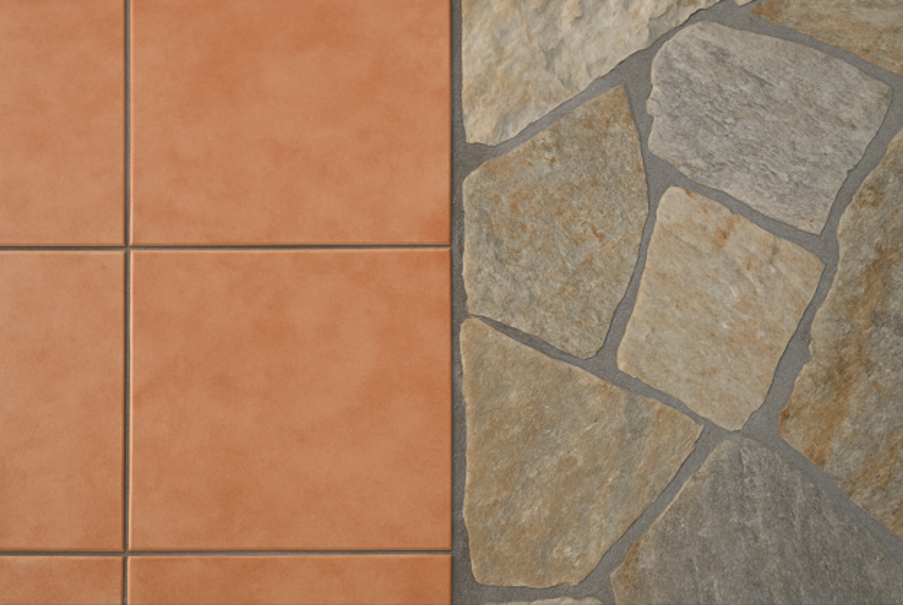
Tile is made by humans. It is usually made from clay or porcelain, shaped, and then baked at high temperatures. Some tiles have a shiny glaze on top, which makes them very strong and waterproof. Because of this glaze, tile does not soak up water or dirt easily.
Tiles come in many colors, shapes, and sizes and are often used on floors, walls, and backsplashes. Tiles are tough and easy to clean because dirt mostly stays on the surface.
What is Stone?
Natural stone comes from the earth. Examples include marble, granite, limestone, and slate. Stone is natural and each piece looks different because of patterns and colors that happen naturally.
Stone is usually porous, meaning it has tiny holes that can soak up water and stains if you don’t protect it. Stone looks very beautiful and elegant but needs more gentle care than tile. It also needs to be sealed regularly to protect it from damage.
Difference Between Tile and Stone Cleaning
Tile and Stone Cleaning are different because the materials are different. Here’s a simple table to explain the main differences:
Feature | Tile Cleaning | Stone Cleaning |
Porosity | Low (does not soak water easily) | High (can soak water and stains) |
Durability | Very strong and hard | Strong but can be damaged by acids |
Cleaning Products | Many types safe, including detergents | Only pH-neutral, gentle stone cleaners |
Stain Resistance | Stain-resistant due to glaze | Needs sealing to resist stains |
Common Problems | Dirty grout and surface dirt | Stains, dull spots, and etching |
Now, let’s take a closer look and explain each of these important differences in more detail so you can better understand why tile and stone require different cleaning approaches and how to care for each properly:
- Material Porosity: Tiles, especially glazed ones, have a low porosity surface that prevents water and dirt from soaking in. Stone, however, is porous, meaning spills can penetrate and cause stains or damage without proper sealing.
- Durability: While tile surfaces are tough and can handle a variety of cleaning chemicals, stone can be damaged by acidic or abrasive cleaners that etch or dull the surface.
- Cleaning Agents: Tile can be cleaned with a broad spectrum of cleaners, including mild detergents and grout cleaners. Stone surfaces require pH-neutral, specially formulated stone cleaners to maintain their finish.
- Stain Resistance: Tiles generally resist staining due to their glaze. Stone requires sealing to create a protective barrier against stains, oils, and moisture.
- Common Issues: Tile problems often relate to grout discoloration and surface dirt buildup. Stone faces challenges like etching from acidic spills, staining, and moisture infiltration if not sealed properly.
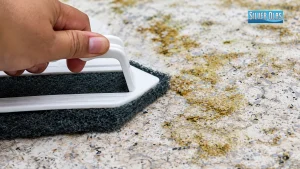
- Tools: Tile cleaning often involves soft mops and brushes for grout. Stone cleaning requires gentle tools like microfiber cloths and soft sponges to avoid scratching.
- Maintenance: Tile needs routine sweeping and mopping, plus periodic grout cleaning. Stone needs sealing at least once a year along with gentle cleaning practices.
Understanding these key differences helps you choose the right cleaning methods and products for each surface. Proper care ensures your tile and stone stay beautiful and last longer.
Common Cleaning Mistakes to Avoid
Even with the right knowledge, homeowners often make mistakes that damage
their tile or stone surfaces:
- Using Acidic Cleaners on Stone: Vinegar, lemon juice, or bleach can etch and dull stone surfaces.
- Ignoring Grout Cleaning: Dirty grout can become stained and harbor mold on tiled floors.
- Skipping Stone Sealing: Failing to seal porous stone leads to permanent stains and moisture damage.
- Using Abrasive Tools: Harsh scrubbing brushes can scratch both tile and stone surfaces.
- Mixing Cleaners: Using harsh tile cleaners on stone or vice versa can damage the finish.
To keep your surfaces looking great, always use the right cleaners and tools for each material. Avoiding these common mistakes will help protect your tile and stone for years to come.
Hire Silver Olas Cleaning
If you want your tile or stone floors to look their best, it’s a good idea to hire professionals. Silver Olas Cleaning knows the right ways to clean both tile and stone safely and effectively.
Our team uses special cleaners made just for each surface. We also have tools that clean deeply without scratching or damaging your floors or counters. When you hire Silver Olas Cleaning, you save time and avoid mistakes that could cost you money later.
Final Thoughts
Tile and stone look nice but are very different when it comes to cleaning. Tiles are strong and easy to clean with many products. Stone is delicate, porous, and needs gentle care with special cleaners and regular sealing.
Knowing the difference helps you clean your floors safely and keep them beautiful for a long time. If you want expert help, consider Silver Olas Cleaning. We will care for your tile or stone surfaces and keep them looking fresh and new.