The Science Behind Fast-Dry Carpet Cleaning Techniques is based on controlling water, heat, airflow, and strong extraction to clean carpets deeply while making them dry much faster. Instead of soaking carpets with too much water, these techniques remove dirt using limited moisture and powerful suction, so carpets dry in hours instead of days. This method is ideal for homes that want quick results without damage.
Table of Contents
ToggleWhat Fast-Dry Carpet Cleaning Really Means?
Fast-dry carpet cleaning means cleaning carpets with very little water while still removing dirt, dust, and allergens from deep inside the fibers. Traditional cleaning leaves carpets wet for a long time, but fast-dry methods focus on moisture control. This keeps carpets safe, clean, and ready to use quickly.
Many homeowners prefer fast-dry cleaning because it avoids bad smells, mold growth, and long waiting times.
The Science Behind Fast-Dry Carpet Cleaning Techniques
The Science Behind Fast-Dry Carpet Cleaning Techniques works on three main scientific principles: evaporation, absorption, and extraction. When less water is used, evaporation happens faster. Strong extraction pulls moisture out of carpet fibers, while proper airflow speeds up drying.
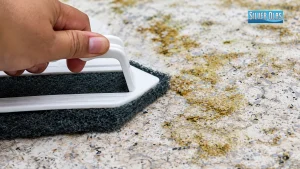
Cleaning solutions are designed to break dirt bonds quickly, so heavy soaking is not needed. This balance of chemistry and physics allows carpets to dry faster without losing cleanliness.
Why Do Carpets Stay Wet for Too Long?
Carpets stay wet mainly because of excess water trapped deep inside the padding. Old cleaning methods flood carpets, and weak machines fail to remove the moisture properly. Poor ventilation also slows drying time.
Wet carpets can cause smells, bacteria growth, and fiber damage. This is why modern fast-dry cleaning focuses on water control from the start.
How Moisture Control Helps Carpets Dry Faster?
Using less water is the key to faster drying. Moisture control means applying only the amount of water needed to loosen dirt. Once dirt is removed, powerful extraction systems pull moisture out immediately.
This method protects carpet backing and padding while keeping the surface fresh and clean. Homes in Oceanside benefit from this approach because humidity can slow down drying if carpets are over-wet.
Role of Heat, Airflow, and Extraction
Heat helps cleaning solutions work better, but it must be controlled. Gentle heat loosens dirt without damaging fibers. Airflow speeds up evaporation by moving moist air away from the carpet surface.
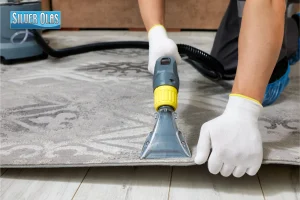
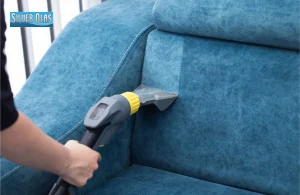
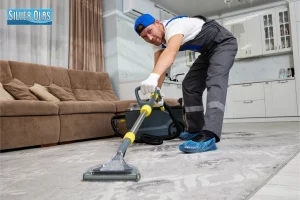
Strong extraction systems are the most important part. They remove water before it settles deep into the carpet. Professional tools, including a carpet steam cleaner, use this science to achieve fast and safe drying.
Fast-Dry Cleaning Methods Explained
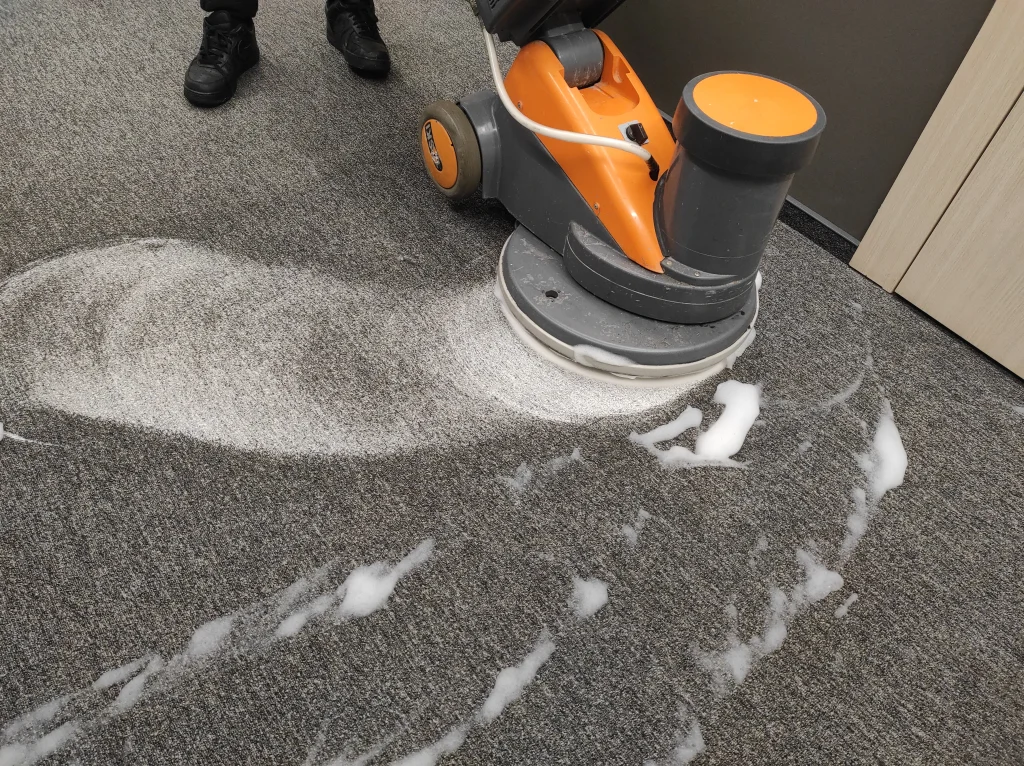
Fast-dry carpet cleaning uses advanced methods designed to reduce moisture. Low-moisture cleaning uses special compounds that attract dirt and are vacuumed away. Encapsulation cleaning surrounds dirt particles so they can be removed easily.
Hot water extraction with controlled water use is another effective option. When done correctly, it cleans deeply while keeping drying time short. These methods are commonly used in professional services in Oceanside homes.
Traditional vs Fast-Dry Cleaning
| Feature | Traditional Cleaning | Fast-Dry Cleaning |
| Water Usage | High | Low |
| Drying Time | 24–48 hours | 2–6 hours |
| Risk of Mold | High | Very Low |
| Carpet Damage | Possible | Minimal |
| Odor Issues | Common | Rare |
Benefits of Fast-Dry Carpet Cleaning
The Science Behind Fast-Dry Carpet Cleaning Techniques offers many advantages. Carpets dry quickly, which means less disruption to daily life. Faster drying also reduces the risk of mold and bacteria.
Carpet fibers stay stronger because they are not soaked repeatedly. Colors remain bright, and carpets last longer. This makes fast-dry cleaning a smart choice for families, pets, and busy homes.
When Fast-Dry Cleaning Is the Best Choice?
Fast-dry carpet cleaning is ideal for homes with children, pets, or high foot traffic. It is also useful before events, during humid seasons, or when quick turnaround is needed.
Homes in coastal areas like Oceanside often experience moisture in the air, so faster drying helps prevent unwanted smells and dampness.
How Professionals Achieve Fast Results?
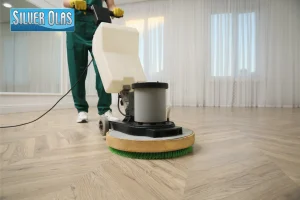
Professional cleaners are trained to balance cleaning power and moisture control. They use advanced machines, proper cleaning solutions, and controlled techniques. Strong suction removes water instantly, while proper airflow speeds drying.
Experts also understand carpet fiber types and adjust cleaning methods accordingly. This knowledge makes a big difference in results and carpet safety.
Common Myths About Fast-Dry Carpet Cleaning
Many people believe fast-dry cleaning is not deep enough, but this is not true. The science proves that controlled moisture cleans better than soaking.
Another myth is that carpets must stay wet to be clean. In reality, excess water only causes damage. Fast-dry methods clean effectively while protecting carpets.
Caring for Carpets After Fast-Dry Cleaning
After cleaning, allow airflow in the room to support drying. Avoid placing furniture back too quickly. Light walking is usually safe within a few hours.
Regular vacuuming and quick spill cleanup help keep carpets fresh between professional cleanings. These habits extend carpet life and maintain appearance.
Conclusion
The Science Behind Fast-Dry Carpet Cleaning Techniques shows that smart cleaning is about balance, not water overload. By using controlled moisture, heat, airflow, and strong extraction, carpets get deeply clean and dry fast. This method protects fibers, improves indoor air quality, and saves time. Homeowners who choose fast-dry cleaning enjoy cleaner carpets with fewer risks and longer life.
If you want clean carpets that dry fast and stay fresh, choose professional fast-dry carpet cleaning today. Contact a trusted cleaning service in Oceanside and experience the difference of modern, science-based carpet care.
FAQs
Q1: How long do carpets take to dry with fast-dry cleaning?
With fast-dry carpet cleaning, most carpets dry within 2 to 6 hours. This is much faster than traditional cleaning, which can take a full day or more. Fast-dry methods use less water and strong suction to remove moisture immediately. Good airflow and proper ventilation also help carpets dry faster, allowing you to walk on them the same day without worry.
2: Is fast-dry carpet cleaning safe for all carpets?
Yes, fast-dry carpet cleaning is safe for most carpet types when it is done by trained professionals. Experts understand different carpet fibers and choose the right cleaning method for each one. Because this method uses controlled moisture, it reduces the risk of shrinking, color fading, or fiber damage. This makes it safer than over-wetting carpets with traditional methods.
Q3: Does fast-dry cleaning remove deep dirt?
Yes, fast-dry cleaning removes deep dirt and allergens very effectively. Special cleaning solutions break down dirt inside the carpet fibers, and powerful extraction machines pull it out. Even though less water is used, the cleaning action reaches deep into the carpet. This leaves carpets clean, fresh, and healthier without soaking them.
Q4: Can fast-dry cleaning prevent mold?
Fast-dry cleaning greatly reduces the risk of mold and mildew. Mold grows in damp environments, and traditional cleaning often leaves carpets wet for too long. Fast-dry methods remove moisture quickly, so there is less chance for mold to form. Faster drying helps keep carpets safe, odor-free, and healthy.
Q5: How often should carpets be professionally cleaned?
Most carpets should be professionally cleaned once or twice a year. Homes with pets, children, or heavy foot traffic may need cleaning more often. Regular professional cleaning removes deep dirt that vacuuming cannot reach. This helps carpets last longer, look better, and maintain a healthier indoor environment.