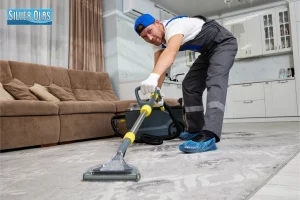
Emergency Flood Cleanup is the process of quickly removing water, drying affected areas, cleaning damaged surfaces, and restoring your home after a flood. It is important because acting fast helps prevent serious structural damage, health risks, and costly repairs. When floodwater enters your home, every minute matters, and following the right steps can protect your property and your family.
Table of Contents
ToggleWhat Is Emergency Flood Cleanup and Why Does It Matters?
Flooding can happen suddenly due to heavy rain, plumbing failures, storms, or appliance leaks. When water spreads inside a home, it does not just stay on the surface. It soaks into floors, walls, furniture, and even the air.
Emergency Flood Cleanup focuses on fast action to stop further damage. Standing water can weaken floors, damage electrical systems, and create unhealthy conditions. Quick cleanup reduces long-term problems and helps restore your home to a safe and livable condition.
Ignoring flood damage can lead to hidden issues that show up weeks or months later. That is why immediate cleanup is always recommended.
Common Causes of Flooding in Homes
Flooding can occur for many reasons, including:
- Broken or burst pipes
- Heavy rainfall and storms
- Blocked or overflowing drains
- Washing machine or dishwasher leaks
- Water heater failure
- Sewer backups
Homes in coastal and low-lying areas, including Oceanside, can face higher risks during storms. Understanding the cause of flooding helps prevent it from happening again in the future.
Immediate Steps to Take After a Flood
When flooding happens, safety should always come first. Here are the immediate actions you should take:
- Turn off electricity if it is safe to do so
- Stop the water source if possible
- Avoid contact with floodwater, especially if contaminated
- Document the damage with photos and videos
- Remove valuables from affected areas
These early actions make the cleanup process easier and reduce further loss.
Step-by-Step Emergency Flood Cleanup Process
Below is a simple step-by-step breakdown of the cleanup process.
Step 1: Water Extraction
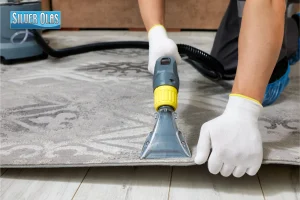
Removing standing water is the first and most important step. This includes flood water removal using pumps, vacuums, or professional equipment.
Step 2: Drying and Dehumidifying
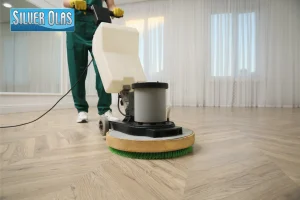
After water is removed, moisture remains trapped inside materials. Drying equipment and dehumidifiers help remove this hidden moisture.
Step 3: Cleaning and Sanitizing
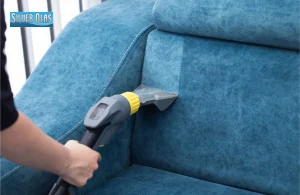
Surfaces, furniture, and belongings must be cleaned to remove dirt, bacteria, and odors. This step is essential for hygiene and safety.
Step 4: Damage Inspection
Walls, floors, and structures are inspected for hidden damage that may need repair.
Step 5: Restoration
This final step may include repairs, repainting, or replacing damaged materials to restore the home.
Flood Cleanup Process Overview Table
| Step | Purpose | Why It Is Important |
| Water Removal | Remove standing water | Prevents further damage |
| Drying | Remove moisture | Stops mold growth |
| Cleaning | Sanitize surfaces | Improves safety |
| Inspection | Find hidden issues | Avoids future problems |
| Restoration | Repair damage | Restores home |
Safety Measures During Flood Cleanup
Flood cleanup can be dangerous if proper safety steps are not followed. Always remember:
- Wear gloves, boots, and protective clothing
- Avoid electrical appliances in wet areas
- Keep children and pets away
- Be cautious of slippery surfaces
Contaminated water can carry bacteria and harmful substances, making safety a top priority.
Professional Help vs DIY Cleanup
Some small water issues can be handled at home, but larger floods require professional attention. Professional flood cleanup services use advanced tools and trained teams to handle complex damage.
Experts understand how to properly dry structures, prevent long-term issues, and restore homes efficiently. DIY methods often miss hidden moisture, which can cause future problems.
How Long Does Flood Cleanup Take?
The time needed for cleanup depends on:
- Amount of water involved
- Size of the affected area
- Type of materials damaged
- Speed of response
Minor floods may take a few days, while major floods can take weeks. Emergency Flood Cleanup done quickly usually shortens recovery time significantly.
Preventing Future Flood Damage
To reduce the risk of future flooding, consider these tips:
- Regularly inspect plumbing systems
- Clean gutters and drains
- Install water detection alarms
- Maintain appliances properly
- Ensure proper home drainage
Prevention is always easier and less expensive than repairs.
Cost Factors Involved in Flood Cleanup
Flood cleanup costs vary based on several factors:
- Severity of water damage
- Area size
- Type of water involved
- Equipment and labor required
Services such as water damage and emergency flood restoration may increase costs but provide better long-term protection for your home.
When to Call a Professional Cleanup Company?
You should call professionals if:
- Water covers a large area
- There is a risk of structural damage
- Electrical systems are affected
- There is concern about mold prevention after flooding
Professional teams have the skills and tools to handle serious flood damage safely and effectively.
Conclusion
Flooding can be stressful and overwhelming, but taking fast and proper action makes a big difference. Emergency Flood Cleanup helps protect your home, health, and investment. By following the right steps and knowing when to seek professional help, you can recover quickly and reduce long-term damage. Acting early is always the best choice.
If your home has been affected by flooding, do not wait. Contact a trusted professional team today to protect your property and restore your peace of mind. Fast response leads to better results and fewer repairs.
Frequently Asked Questions
1. How soon should flood cleanup start?
Cleanup should start as soon as it is safe. Delays can cause more damage and increase repair costs.
2. Can flood damage cause health issues?
Yes, standing water and moisture can create unhealthy conditions if not handled properly.
3. Is flood cleanup covered by insurance?
Coverage depends on your insurance policy. Always check with your provider.
4. What areas of the home are most affected by flooding?
Basements, bathrooms, kitchens, and lower floors are usually most affected.
5. Should I replace damaged materials after flooding?
Some materials may need replacement if they cannot be fully dried or cleaned.