Most homeowners think outdoor pollution is the main cause of breathing problems, allergies, or stale indoor air. The truth is, the biggest issue is often right under your feet. Dirty carpets affect indoor air quality by trapping dust, bacteria, pet dander, and allergens deep inside the fibers, which slowly release into the air you breathe every day.
In coastal areas like Oceanside, moisture in the air makes this problem even worse. When carpets are not cleaned properly, they don’t just look dull; they hold humidity, allergens, and germs that continuously lower your home’s indoor air quality and comfort.
Table of Contents
ToggleWhy Carpets Play a Bigger Role Than You Think?
Carpets act like giant filters. Every step brings in dirt from shoes, pollen from outside, pet hair, and fine dust particles. At first, this buildup stays hidden deep inside the fibers. Over time, walking, sitting, or kids playing releases these particles back into the air.
This is where Dirty carpets affect indoor air quality in ways most people never notice until symptoms start showing.
How Dirty Carpets Pollute Indoor Air?
When carpets are ignored, they begin to hold:
- Dust mites
- Pet dander
- Mold spores
- Bacteria
- Fine dust particles
Each time someone walks across the room, these pollutants become airborne. This cycle repeats daily, making it even if the home looks clean.
Homes near the coast face extra risk because moisture helps bacteria and mold grow faster inside carpet fibers.
Health Issues Linked to Poor Carpet Hygiene
Many families treat symptoms instead of the cause. Poor carpet hygiene can lead to:
- Frequent sneezing or coughing indoors
- Runny or blocked nose
- Headaches and fatigue
- Skin irritation
- Worsening asthma
If these issues improve outdoors but return at home, it’s a clear sign that dirty carpets affect indoor air quality more than expected.
Why Vacuuming Alone Is Not Enough?
Vacuuming helps with surface dust, but it cannot reach deep layers where allergens stay trapped. Even powerful machines leave behind fine particles and moisture residue.
This is why homeowners often search for carpet cleaning near me after noticing ongoing allergy issues despite regular vacuuming.
The Role of Deep Carpet Cleaning
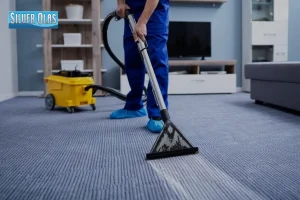
Deep cleaning removes embedded dirt that daily cleaning cannot touch. Methods like hot water extraction loosen bacteria, dust, and allergens from the base of the carpet fibers.
This is where deep carpet cleaning Oceanside becomes important for maintaining healthier indoor air, especially in homes with pets or children.
Indoor Air Quality in Oceanside Homes
Coastal homes deal with salt air, humidity, and fine sand particles. These elements settle into carpets quickly and remain trapped if not cleaned properly.
Professional solutions, such as professional carpet cleaning oceanside, help control moisture and remove allergens before they circulate through the home again.
Steam Cleaning and Air Quality Improvement
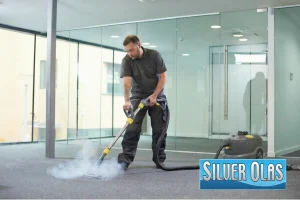
Steam cleaning uses controlled heat and extraction to safely lift contaminants. This method is effective for reducing allergens without damaging carpet fibers.
Some homeowners consider using a carpet steam cleaner, but professional-grade equipment provides stronger extraction and faster drying, which helps prevent mold growth.
Carpets and Long-Term Air Quality Damage
Over time, dirty carpets can:
- Lower overall air freshness
- Increase allergy flare-ups
- Create musty odors
- Trap bacteria permanently
This explains why dirty carpets affect indoor air quality not just in the short term, but over many years if ignored.
When Should Carpets Be Professionally Cleaned?
Most experts recommend professional care at least once or twice a year. Homes with pets, allergies, or high foot traffic may need more frequent cleaning.
In some cases, homeowners compare services in nearby regions like carpet steam cleaning to understand proper cleaning standards.
Why Professional Services Matter?
Professional technicians understand fiber types, moisture control, and safe cleaning solutions. Services such as carpet cleaning services in Oceanside focus on removing deep contaminants while protecting the carpet’s structure.
This approach prevents damage and improves indoor air quality without leaving chemical residue behind.
Simple Steps to Protect Indoor Air Between Cleanings
You can reduce air pollution inside your home by:
- Removing shoes at the door
- Vacuuming high-traffic areas regularly
- Keeping pets groomed
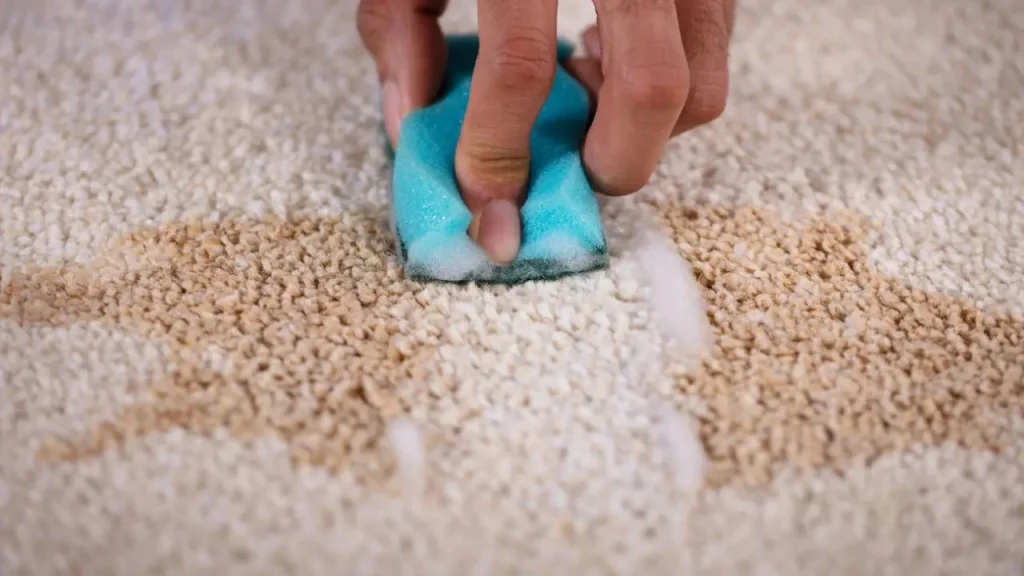
- Cleaning spills immediately
- Scheduling routine professional cleaning
Final Thoughts
Carpets do more than cover floors; they influence the air your family breathes every day. When neglected, dirty carpets affect indoor air quality by trapping allergens, moisture, and bacteria that circulate through the home.
For homeowners who want cleaner air, healthier living spaces, and longer-lasting carpets, professional care makes a real difference. Contact us today! If your carpets are affecting comfort or health, it’s time to take action before the damage becomes permanent.
FAQs
Q1: Can dirty carpets really affect indoor air quality?
Yes. Dirty carpets trap dust, allergens, and bacteria that get released into the air when people walk or move around.
Q2: Why is carpet cleaning more important in Oceanside homes?
Oceanside’s coastal moisture helps allergens and mold grow faster inside carpet fibers if cleaning is delayed.
Q3: Is regular vacuuming enough to keep indoor air clean?
No. Vacuuming only removes surface dirt, while deep allergens remain trapped inside the carpet.
Q4: How often should carpets be professionally cleaned?
Most homes need professional carpet cleaning once or twice a year, especially if there are pets or allergy issues.
Q5: Can clean carpets improve allergy symptoms?
Yes. Removing trapped dust and allergens from carpets helps reduce sneezing, coughing, and breathing problems indoors.