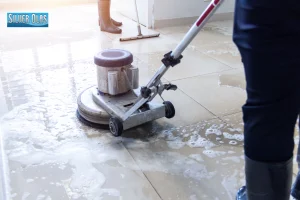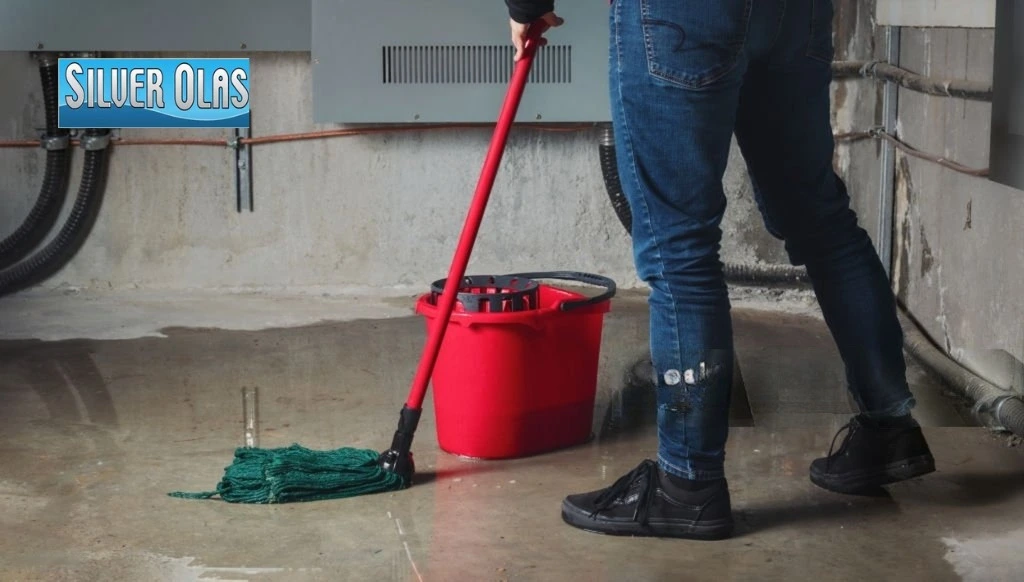
Water in your basement at 2 am is not a small problem. It’s the kind of thing that turns into a $10,000 headache if you wait even a single day. That’s exactly why basement flood cleanup services exist to remove water quickly, dry everything thoroughly, and prevent mold before it even starts. If your basement is flooding right now in Oceanside, the next few hours matter more than you think.
This guide is built for homeowners who are either staring at standing water right now or trying to plan before the next big storm hits. We’ll walk through what to do immediately, what real cleanup costs, and when you actually need to call in a professional crew instead of grabbing a mop.
Table of Contents
ToggleWhat to Do the Moment You Spot Basement Flooding
The first ten minutes set the tone for everything that follows. Don’t freeze up. Move.
- Shut off electricity to the flooded area if you can do it safely; water and live wiring don’t mix.
- Stop the water source if possible. Check the sump pump, shut a valve, whatever applies.
- Move furniture, boxes, and valuables to higher ground before they soak through.
- Take photos and video right away; insurance companies want proof of how high the water got.
- Call professional basement flood cleanup services as soon as you’ve done the above.
And look, I get it, your first instinct is to grab towels and start mopping. But towels won’t touch water that’s pooled an inch deep across a whole room. That’s a job for extraction equipment, not paper towels.
Why Basement Flooding Gets Worse Fast, The 48-Hour Mold Window
Here’s the part nobody tells you until it’s too late. Mold doesn’t take weeks to show up. It starts colonizing wet drywall and wood within 24 to 48 hours. So if you wait three or four days to deal with a flooded basement, you’re not just dealing with water damage anymore; you’re dealing with a mold problem too.
And that mold problem isn’t cheap. Professional mold remediation on top of flood cleanup can add another $1,500 to $5,000 to your bill. Basement water damage restoration done early avoids that entirely. Water also doesn’t stay where you can see it; it climbs up drywall, soaks into insulation, and gets under flooring where you won’t notice until the smell shows up weeks later.
Our Basement Flood Cleanup Process, Step by Step
So what actually happens when a professional crew shows up? It’s not random; it’s a sequence, and skipping steps is how homes end up with hidden rot behind the walls.
Emergency Water Extraction
Industrial pumps and vacuums remove standing water quickly, typically within 2 to 6 hours, depending on volume. This is the step that stops the bleeding. Water extraction services in Oceanside use equipment that moves hundreds of gallons per hour, which is nothing like what a wet vac from the hardware store can manage.
Drying & Dehumidification
Once the standing water’s gone, commercial air movers and dehumidifiers run for three to five days straight. This step is boring, but it’s the one that actually prevents mold. Skip it or rush it, and you’ll be dealing with a moldy basement in a month.
Material Tear-Out
Ruined drywall, soaked insulation, and damaged flooring get pulled out here. Not everything needs replacing, but anything that’s absorbed contaminated water usually does.
Sanitizing & Antimicrobial Treatment
Surfaces get treated to kill bacteria and stop mold spores before they take hold. This step can’t be skipped, especially with gray or black water flooding.
Reconstruction
Drywall goes back up, flooring gets reinstalled, and trim and paint finish the job. This is where basement flooding repair services bring the space back to normal or sometimes better than it was before.
Cost Breakdown by Water Type, Clean, Gray & Black Water
Not all flood water is equal, and that matters a lot for your wallet. The type of water sitting in your basement determines the safety gear needed, the disposal rules, and how aggressive the sanitizing has to be.
| Water Category | Source | Average Cost |
| Clean Water (Category 1) | Burst pipe, clean supply line | $1,500 – $4,000 |
| Gray Water (Category 2) | Washing machine, dishwasher, toilet overflow | $4,000 – $8,000 |
| Black Water (Category 3) | Sewage backup, storm flooding | $7,000 – $30,000+ |
On a per square foot basis, most emergency water removal companies charge $4 to $12 for extraction, drying, and sanitizing combined. Black water jobs sit at the top of that range, and sometimes well past it, because of the hazardous materials handling involved.
Finished vs Unfinished Basement: Why Cost Doubles
An unfinished concrete basement is the easy case. Pump the water out, run the dryers, done. A finished basement with drywall, insulation, carpet, and baseboards? That’s a different animal entirely; all of it usually needs to come out and get rebuilt, which can double or even triple your total cost.
- Unfinished basement: mostly extraction and structural drying only
- Finished basement: material tear-out, sanitizing, and full reconstruction required
Here’s roughly how the phases break down cost-wise across a typical job:
| Restoration Phase | What It Involves | Typical Cost |
| Emergency Water Extraction | Pumping standing water (2–6 hrs) | $500 – $2,500 |
| Drying & Dehumidification | Industrial air movers, 3–5 days | $1,200 – $3,500 |
| Material Tear-Out | Removing ruined drywall, insulation, and flooring | $800 – $4,000 |
| Sanitizing & Antimicrobial | Treating surfaces against bacteria & mold | $500 – $2,000 |
| Reconstruction | Drywall, flooring, trim, paint | $2,000 – $20,000+ |
Common Causes of Basement Flooding in Oceanside
- Heavy rainfall combined with poor yard drainage
- Sump pump failure during a storm, usually at the worst possible time
- Burst or slowly leaking pipes that go unnoticed for weeks
- Cracks in the foundation that let groundwater seep in
- Sewer backup, often during heavy rain events
Oceanside homes near low-lying areas see drainage-related flooding more than most. If your home backs up to a slope or sits in a flood-prone zone, a sump pump with battery backup is worth the investment before the next storm season hits.
Five Mistakes That Make Flood Damage Worse
Mistake 1: Waiting too long to call for help. Every hour water sits is an hour closer to mold setting in.
Mistake 2: Using a regular vacuum on standing water. Household vacuums aren’t built for this and can short out or shock you.
Mistake 3: Ignoring the smell and hoping it goes away. It won’t. A musty smell almost always means moisture is still trapped somewhere.
Mistake 4: Ripping out flooring before everything’s fully dry. This can trap moisture underneath and cause rot you won’t see for months.
Mistake 5: Skipping the check for hidden moisture behind walls. Flood damage cleanup near me searches spike weeks after a flood because people missed water that soaked in behind drywall.
Does Insurance Cover Basement Flood Cleanup?
This catches almost everyone off guard. Standard homeowners insurance usually does NOT cover rising groundwater or sewer backup; those need separate add-ons most people never bothered to get.
- Sewer Backup Endorsement: a separate policy add-on, often cheap but rarely included by default
- Flood Insurance, a completely separate policy, is sometimes required through FEMA’s program.
- Burst pipe damage, usually IS covered under standard policies, unlike groundwater flooding.
Before cleanup starts, call your provider and ask directly what’s covered. Some basement flood cleanup services, including ours, offer direct insurance billing assistance so you’re not stuck fighting paperwork while your basement is still wet.
When to Call a Professional vs Handle It Yourself
- A small puddle from a minor leak: DIY is usually fine here
- Anything over an inch of standing water: call a professional crew
- Sewage backup of any kind: always call a pr; this is a serious health hazard
- Suspected hidden moisture behind walls needs thermal imaging equipment that most homeowners don’t own
Same-day flood restoration in Oceanside is available through most local companies for exactly these urgent situations; don’t wait around hoping it dries on its own.
Why Oceanside Homeowners Trust Silver Olas
Silver Olas has handled flood cleanup across California for years, and basements are no exception. Here’s what you get when you call us for emergency flood cleanup in Oceanside:
- 24/7 emergency response -floods don’t wait for business hours, and neither do we
- IICRC-certified water damage technicians on every job
- Industrial-grade extraction and drying equipment that outperforms rental units
- Direct insurance billing assistance to take that stress off your plate
- Free, fast estimates with no pressure and no hidden fees
Whether it’s a burst pipe at midnight or stormwater pouring in after heavy rain, our team treats your basement flood cleanup services request like the emergency it actually is.
Don’t let standing water turn into a five-figure mold problem.
Call Silver Olas today at (760) 957-0731 or visit silverolas.com for a free estimate.
Conclusion
A flooded basement isn’t something you wait out. The first few hours decide whether you’re looking at a simple extraction job or a full mold remediation nightmare. Act fast, document everything for insurance, and call professionals the moment standing water shows up. Silver Olas is ready around the clock for Oceanside homeowners who need it done right.
FAQs
Q1: How fast should I act after basement flooding?
Immediately. Mold can begin growing within 24 to 48 hours of water exposure, so calling basement flood cleanup services within the first few hours significantly reduces both damage and cost.
Q2: How long does basement flood cleanup take?
Water extraction usually takes 2 to 6 hours. Drying and dehumidification run another 3 to 5 days after that. Full reconstruction timelines vary depending on how much material needs replacing.
Q3: Does insurance cover basement flood cleanup services?
It depends on the cause. Burst pipes are typically covered under standard homeowners insurance. Groundwater flooding and sewer backup usually are not, unless you’ve added a Sewer Backup Endorsement or a separate flood insurance policy.
Q4: What’s the difference between clean water and black water damage?
Clean water comes from sources like a burst pipe and is the easiest to clean, averaging $1,500–$4,000. Black water comes from sewage backup or storm flooding, is highly hazardous, and can cost $7,000–$30,000+ due to required material replacement and heavy disinfection.
Q5: Does a finished basement cost more to restore than an unfinished one?
Yes, often double or triple the cost. Finished basements have drywall, insulation, carpet, and baseboards that typically need to be torn out and rebuilt, while unfinished basements usually only need pumping and structural drying.
Q6: Can I stay in my home during basement flood restoration?
In most cases, yes, especially with clean water flooding. Black water or sewage situations may require temporary relocation for safety until sanitizing is complete.
Q7: How do I know if my basement has hidden flood damage?
A persistent musty smell, peeling paint, or soft drywall are warning signs. Professional crews use thermal imaging to map moisture behind walls that you can’t see or feel on the surface.