Wood floors and furniture make a home feel warm and lived-in, but they also show damage quickly when cleaning is done incorrectly. Scratches, dull spots, sticky residue, and faded finishes don’t happen overnight; they build up slowly because of small mistakes most homeowners don’t even notice.
In 2026, people are paying more attention to how their homes affect health, air quality, and long-term maintenance costs. That’s where following the right wood cleaning tips actually matters. Cleaning wood isn’t about using more water or stronger products; it’s about consistency, timing, and knowing what not to do.
Whether you’re dealing with hardwood floors, wood furniture, or decorative wood surfaces, these tips are designed to protect your investment, keep surfaces looking good, and reduce dust and allergens inside your home.
Table of Contents
Toggle10 Wood Cleaning Tips
1. Remove Loose Dust Before It Causes Damage
Dust might seem harmless, but over time, it acts like sandpaper on wood. Walking over dusty floors slowly wears down the finish and creates dull patches.
Use a soft broom or a vacuum made for wood surfaces. Avoid stiff brushes or attachments that scrape the surface. This simple habit prevents long-term wear and keeps wood looking smooth.
2. Choose Cleaners Made for Wood Only
One of the most common mistakes is using all-purpose cleaners on wood. These products are often too harsh and slowly strip away the protective finish.
Stick to wood-specific or pH-neutral cleaners. If a product smells strong or leaves residue, it’s probably doing more harm than good. When in doubt, test it in a hidden area first.
3. Never Let Spills Sit
Water and wood don’t mix well. Even small spills can soak into seams and edges if ignored.
Wipe spills immediately with a dry or slightly damp cloth. This prevents stains, swelling, and long-term moisture damage that’s expensive to fix later.
4. Clean Furniture the Same Way You Clean Floors
Wood furniture collects just as much dust as floors, especially shelves, tables, and cabinets. Skipping these surfaces lets allergens spread through the air.
Use microfiber cloths and gentle cleaners. Avoid spraying directly onto furniture; apply cleaner to the cloth instead.
5. Use Less Water Than You Think
Over-mopping is one of the fastest ways to ruin wood. Floors should be damp, never wet.
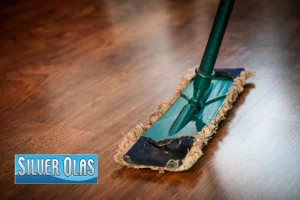
A lightly damp microfiber mop works best. If the floor takes a long time to dry, you’re using too much moisture. Controlled cleaning protects the wood fibers and finish.
6. Protect High-Traffic Areas
Entryways, hallways, and kitchen paths take the most abuse. Dirt from shoes scratches wood cleaning services faster than any cleaner can fix.
Use mats or rugs in busy areas and clean them often. This one step reduces wear and keeps floors looking even across rooms.
7. Deep Dirt Needs More Than Daily Cleaning
Over time, dirt settles into seams and grain lines where regular cleaning can’t reach. This is when wood starts to look dull, no matter how often you clean it.
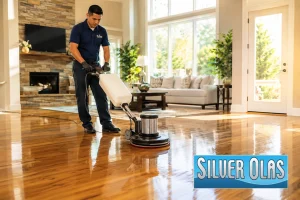
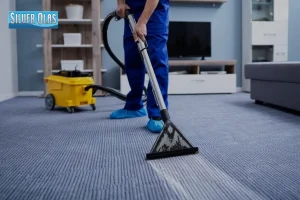
Occasional deep cleaning with proper equipment removes buildup safely. This is especially helpful for older floors and high-use homes.
8. Restore Shine Without Over-Polishing
Polish helps protect wood, but too much can leave a slippery or cloudy surface.
Use polish sparingly and only when floors start to look dry or dull. The goal is protection, not shine overload.
9. Give Extra Attention to Problem Areas
Not all areas need the same level of care. Focus more on doorways, under dining tables, and living room paths.
Spot-cleaning these zones prevents uneven wear and keeps the entire floor looking consistent.
10. Schedule Professional Care When Needed
Daily care keeps wood cleaning tips, but professional cleaning helps extend its life. Trained technicians remove deep dirt and refresh the surface without damage.
This step protects your floors long-term and saves money by avoiding early repairs or refinishing.
Conclusion
Wood surfaces don’t fail because people ignore them; they fail because they’re cleaned the wrong way for too long. In 2026, following smart wood cleaning tips isn’t about perfection; it’s about prevention. Small habits like gentle cleaning, quick spill removal, and proper tools make a bigger difference than aggressive products ever will.
If your floors or furniture already look tired, professional care can restore them safely. For homeowners who want lasting results and expert handling, Silver Olas offers trusted wood surface care backed by real experience. When you’re ready to protect your investment the right way, reach out through the Silver Olas. Contact us today and take the guesswork out of wood cleaning.
FAQs
Q1: How often should wood floors be cleaned?
Wood floors should be lightly cleaned every week to remove dust. Cleaning once or twice a year helps keep them in good condition.
Q2: Can too much water damage wood surfaces?
Yes, excess water can soak into the wood and cause swelling, stains, or warping. Damp cleaning is always better than wet mopping.
Q3: Are regular household cleaners safe for wood?
Not always. Many strong cleaners can damage the wood finish. It’s best to use products made specifically for wood surfaces.
Q4: Why do wood floors start looking dull over time?
Dullness usually comes from dust buildup, leftover cleaner residue, and a lack of proper maintenance. Regular care helps keep the shine.
Q5: Is professional wood cleaning really necessary?
Yes. Professional cleaning removes deep dirt that home cleaning cannot and helps extend the life of wood floors and furniture.