Water damage restoration in the first 24 hours can be the difference between a $3,000 fix and a $50,000 gut job. That’s not a scare tactic; it’s just how fast water moves through drywall, subfloor, and wood.
Flood damage restoration in the first 24 hours can be the difference between a $3,000 fix and a $50,000 gut job. That’s not a scare tactic; it’s just how fast water moves through drywall, subfloor, and wood. If you’re a San Diego County homeowner dealing with a burst pipe, slab leak, overflowed toilet, or storm flooding, what you do next matters. If water hit your floor in the last hour, keep reading to see exactly what to do in those critical first 24 hours.
Table of Contents
ToggleWhy the First 24 Hours Are Everything
Mold doesn’t wait around. The EPA says mold after water damage can start growing in 24 to 48 hours on a wet surface. So every hour you spend deciding what to do is an hour mold is setting up shop in your walls.
Structural damage moves just as fast. Drywall soaks up water like a sponge. Wood floors start to cup and warp within a day. And subfloors can weaken before you even notice a smell. This is exactly why water damage restoration in San Diego cannot wait. Here’s something a lot of homeowners miss: most insurance policies require “reasonable steps” to limit damage within 24 hours. Wait too long, and your claim could get reduced or denied entirely, which is exactly why water damage restoration can’t sit on a to-do list.
What Happens If You Wait Past 24 Hours
Past that 24-hour mark, you’re looking at mold colonies, warped flooring, crumbling drywall, and a much bigger bill. We’ll dig into this more below, but the short version is: water damage restoration done fast saves money.
Step 1: Make It Safe Before You Do Anything
Before you touch anything, turn off the electricity at the main breaker if water is anywhere near outlets, cords, or appliances. Water and live wiring don’t mix.
Look up before you walk in. A sagging or bulging ceiling can mean water is pooled above it, and that ceiling could come down. Don’t stand under it. And don’t wade into standing water if you’re not sure the power is off. It’s not worth the risk, even if your favorite rug is floating in it.
Clean vs Gray vs Black Water
Not all floodwater is equal. Restoration pros sort it into three categories:
- Category 1 (clean): From a clean source, like a supply line. Lowest risk.
- Category 2 (gray): From washing machines, dishwashers, or toilet overflow without solid waste. Some contamination.
- Category 3 (black): Sewage, flooding from outside, or water that’s sat for days. Treat this as hazardous.
Knowing which type you’re dealing with changes what you can safely touch and what needs professional handling.
Step 2: Shut Off the Water Source
If the water’s still flowing, find the main shutoff valve fast. In a lot of older homes in this area, that valve sits in a hard-to-spot place near the water heater, in a side yard box, or behind landscaping that’s grown over it. A slab leak behaves differently from a burst pipe or an overflowing toilet, so don’t assume the fix is the same. A slab leak can flood from underneath the floor with no obvious source in sight, while a burst pipe usually has a clear point of origin you can shut off at the wall.
Can’t find the valve? Call a plumber before you call anyone else. We’ve walked into homes where the family spent an hour soaking up water with towels before realizing the shutoff valve was right behind a planter box the whole time. Don’t be that homeowner know where yours is before professional water extraction services ever need to show up for burst pipe water damage cleanup.
Step 3: Call Your Restoration Team AND Insurer Now
Don’t wait for an adjuster to show up before calling a restoration crew. That’s backwards, and it costs you time you don’t have. Searching for 24-hour flood cleaning services at 2 am isn’t ideal, but it beats waiting until morning.
Emergency water removal that starts within the first few hours puts the clock on your side. Every hour of delay adds to the damage and the bill. Silver Olas’s 24-hour flood service is built around that exact problem: getting a crew to your door fast, day or night, for real flood damage restoration when you need it most.
What to Say When You Call Your Insurance Company
Keep it simple. Give them the date and time water damage restoration was needed, what caused it, and ask for your claim number right away. Don’t speculate about the cause if you’re not sure, just describe what you saw. And document before you touch or move anything, since insurers want to see the damage as it happened.
Step 4: Document Everything Before You Move It
Grab your phone and start shooting. Timestamped photos and video of every wet surface, every damaged item, every soaked wall. Insurers want clear, dated proof. Wide shots of the room plus close-ups of damaged items work best. If you have receipts for big-ticket items like furniture or electronics, dig them up now while you remember where they are. Apps like MagicPlan and Encircle can help you build a documented inventory fast, which speeds up your claim later.
Step 5: Remove What Can Be Saved, Discard What Can’t
This is where water damage restoration gets physical. Solid wood furniture usually survives if you dry it fast. Get it up on blocks or move it to a dry room right away. But carpet padding, soaked drywall, and wet insulation are almost always a loss. They hold moisture like a sponge and become a mold risk fast, so don’t try to save them just to cut costs. Any food that touched floodwater needs to go in the trash. No exceptions, even if the packaging looks fine.
Quick Save vs Discard Reference List
Usually savable:
- Solid wood furniture
- Hard flooring (tile, sealed concrete)
- Most clothing and linens (with fast washing)
- Non-porous items (metal, glass, hard plastic)
Usually a loss:
- Carpet padding
- Drywall that’s been wet for more than 24-48 hours
- Particleboard furniture
- Mattresses and upholstered furniture exposed to Category 2 or 3 water
- Any food touched by floodwater
Step 6: Start Drying Immediately
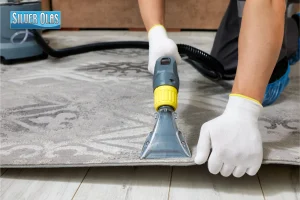
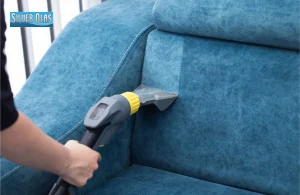
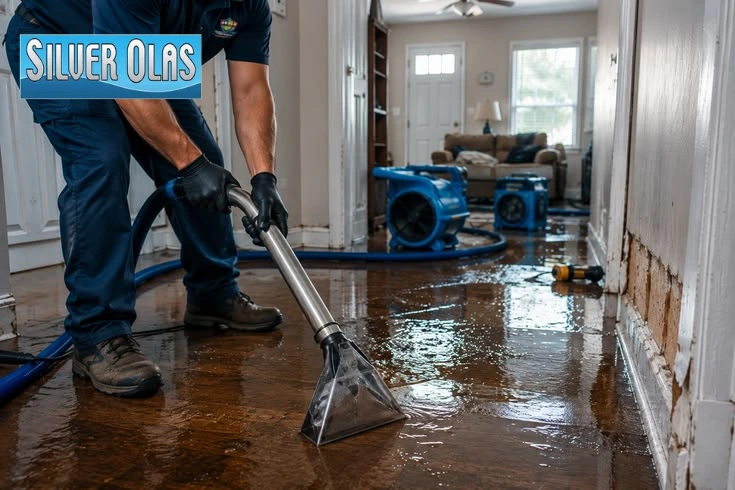
Get fans running and open windows if the outside air is dry. Dehumidifiers help pull moisture out of the air once the bulk of the water is gone. Silver Olas’s fast-dry technique gets carpets dry in about an hour instead of days, which matters a lot when mold is on a 24- to 48-hour clock.
Why won’t a couple of box fans cut it? Because industrial drying equipment pulls out far more moisture, far faster, than anything you’ll find at a hardware store. Moisture meters find hidden water trapped inside walls, and under flooring water you’d never spot just by looking.
Signs of Hidden Moisture You’re Probably Missing
- A musty smell that won’t go away
- Paint or wallpaper is starting to bubble
- Baseboards that feel soft or look swollen
- Floors that feel slightly damp days after the water’s “gone”
Slab Leaks and Pipe Bursts in Carlsbad
San Diego County has a lot of older housing stock, which means aging copper pipes running beneath concrete slabs. Slab leak water damage Carlsbad homeowners deal with is common here, not rare. So how do you tell a slab leak from a surface flood? Look for warm spots on the floor, a spike in your water bill, or the sound of running water when every faucet’s off.
Surface floods usually have an obvious source you can see. What this area needs is a fast, local response, not a call center sending whoever is available from three towns away. Silver Olas operates five locations across North County San Diego, so a real local crew shows up instead of someone from out of the area, for flood damage restoration in San Diego.
Emergency Flood Damage Restoration in Vista, CA: Fast Help
Why Silver Olas Is Your Go-To for Flood Restoration
We’re family-owned and locally operated, not a franchise running a script, and every technician delivers IICRC-certified restoration. Silver Olas serves five North County San Diego locations: Oceanside, Encinitas, Vista, Murrieta, and right here at home with flood damage restoration from one team you can count on.
We back every job with a 30-day workmanship guarantee, free written estimates, and 24-hour emergency flood service that responds within minutes. We use eco-friendly cleaning methods and fast-dry technology, and we’re bonded, insured, and work directly with your insurance company. One homeowner told our crew she’d called three companies before us, and we were the only ones who picked up the phone at midnight. Floods don’t wait for business hours, so neither do we.
Conclusion
Act fast, call the pros, and document everything before you start cleaning. Fast water damage restoration in those first hours protects your home, your health, and your insurance claim more than anything else you’ll do.
If water’s sitting in your home right now, don’t wait until morning. Contact us today to schedule fast, professional water damage restoration and protect your home before the damage gets worse.
FAQs
- What is the first thing to do after water damage in your home?
Turn off the electricity if water is near outlets, then shut off the water source if it’s still flowing. Safety comes before cleanup every time. - How long does water damage restoration take?
Water removal usually takes a few hours to a day. Full drying takes 3 to 5 days, and repairs can run from days to several weeks, depending on damage. - Does insurance cover water damage restoration?
Often yes, especially for sudden events like burst pipes. Storm flooding may need separate flood insurance. Check your policy and call your insurer right away. - How fast does mold grow after a flood?
Mold can start growing in 24 to 48 hours on wet surfaces, according to the EPA. That’s why fast drying matters so much. - Is Silver Olas available for 24-hour flood service in Carlsbad?
Yes. Silver Olas offers 24-hour flood service across Carlsbad and four other North County San Diego locations, every day of the year.