Your couch looks fine from across the room. Sit down, though, and look closely at the armrests. You’ll probably spot darker patches where hands, hair, and skin oils have settled in for months. A quick vacuum won’t lift that buildup, and it’s the main reason professional upholstery cleaning exists.
If you live in Oceanside, CA, your furniture works hard. Kids climb on it, pets nap on it, guests spill on it, and sand from beach days finds its way into every seam. Over time, all of that gets pressed deep into the fabric.
Table of Contents
ToggleWhat Can Professional Upholstery Cleaning Do Beyond Vacuuming?
It reaches soil that’s bonded to the fibers, which a vacuum can’t do. Vacuuming pulls loose dust, crumbs, and pet hair off surfaces, which is useful. But once dirt has mixed with body oils and settled into the fabric, suction alone won’t lift it.
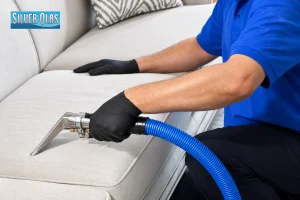
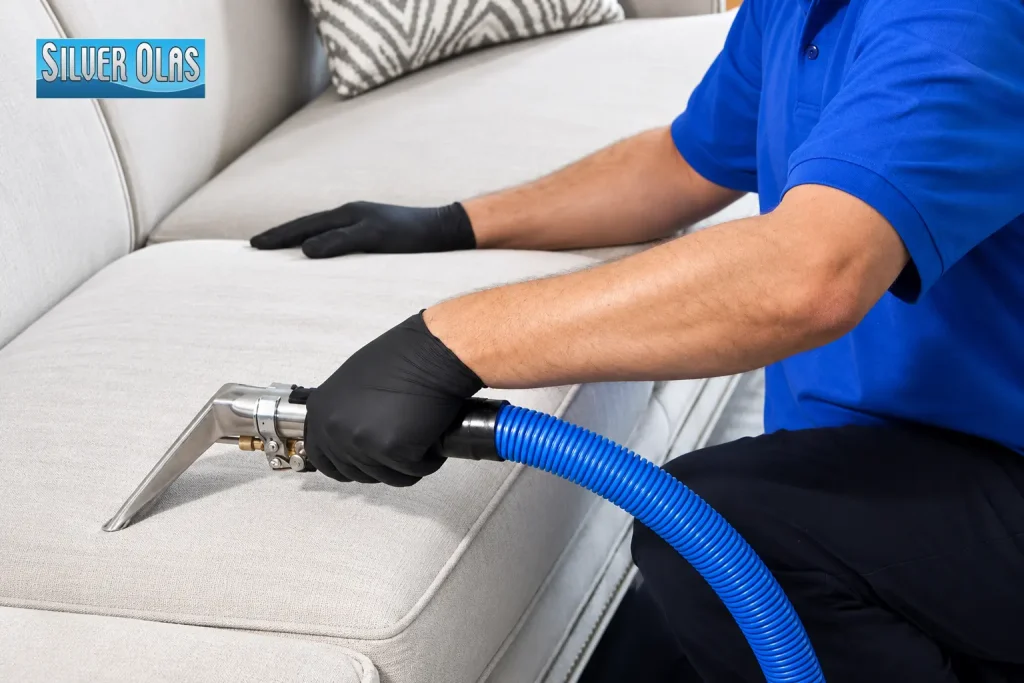
Cleaners usually choose between two approaches. Hot water extraction, often called steam cleaning, applies a cleaning solution and pulls it back out with strong suction. Low-moisture cleaning uses far less water, which suits delicate fabrics or pieces you need back quickly. The right pick depends on the fabric, the manufacturer’s care label, and how soiled the piece is. No single method works for every couch.
What Are the Benefits of Professional Upholstery Cleaning?
A good clean can do a lot for your furniture, and it also has limits. Here’s what to realistically expect from each benefit.
Removes Embedded Dirt and Everyday Buildup
The darkest spots are usually the armrests, headrests, and the front edge of the seat cushions, because that’s where hands, hair, and skin touch most. Body oils attract even more dirt, so those patches keep getting worse. Extraction lifts that layer out, along with some of the dust and pet dander trapped in the fabric.
Improves How Your Furniture Looks
Once the soil is gone, colors often look cleaner, and the fabric feels softer. It won’t repair sun fading or worn-out fibers. But it can take years of grime off a couch that looked beyond saving.
Helps Treat Stubborn Stains
Coffee, wine, grease, and ink all behave differently, so one product can’t handle every mark. Good upholstery stain removal matches the treatment to both the stain and the fabric. Old or set-in stains may lighten instead of vanish, and an honest technician will tell you that before starting.
Helps Reduce Unwanted Odors
Many furniture smells come from residue in the fibers, such as spilled drinks, food, pets, or smoke. When cleaning removes the residue, the smell often goes with it. Odors that have soaked into the cushion foam may need extra treatment.
Supports Better Furniture Maintenance
Fine grit works like sandpaper on fabric every time someone sits down. Cleaning it out regularly helps cut avoidable wear. It doesn’t promise your sofa will last longer, but it removes one of the things that speeds wear up.
Provides Fabric-Specific Care
Microfiber, cotton blends, linen, and velvet don’t react the same way to water, heat or cleaning agents. A trained cleaner matches the method to the material, and that matters most with delicate fabrics.
Saves Time and Effort
Deep cleaning a sectional by hand can take hours, and it’s easy to get wrong. Hiring a pro means handing off the work, and the risk, to someone who does it regularly.
What Does the Typical Upholstery Cleaning Process Involve?
Every company has its own routine, but a careful job usually follows the same steps:
- Furniture inspection and fabric assessment. The technician checks the fabric type, the care label, the condition of the piece, and any visible stains. This decides everything that comes next.
- Pre-cleaning preparation. Loose debris gets vacuumed away, and problem areas like armrests or stained cushions get marked for extra attention.
- Cleaning method selection. Based on the fabric and the manufacturer’s instructions, the technician picks the safest method that will still do the job.
- Deep cleaning and dirt removal. The chosen method loosens the soil and lifts it out of the fibers. Heavily soiled spots may need a second pass.
- Moisture and residue removal. Extra water or leftover cleaning solution gets extracted, depending on the method. Leftover residue attracts new dirt, so this step matters.
- Drying and final inspection. The furniture is left to dry properly, and the technician checks the results with you.
So how long does upholstery take to dry? It depends on the method, the thickness of the fabric, and the weather. Low-moisture cleaning dries faster. Hot water extraction can take several hours, and a humid day or poor airflow stretches that out. Open a window, run a fan or the AC, and wait until the fabric feels fully dry before sitting. Keep kids and pets off it until then.
A few small things also make the visit smoother:
- Clear cushions, throws, and small items off the furniture.
- Point out stains and say what caused them, since wine and pet accidents need different treatment.
- Mention the care tag code if you know it.
Is DIY Upholstery Cleaning Safe for Your Furniture?
For routine upkeep, yes. For deep cleaning, it depends, and the risks are bigger than most people expect.
DIY works well for regular vacuuming, blotting fresh spills, and spot treating according to the care label. That’s the kind of maintenance every sofa needs. But a rental machine isn’t the same as professional upholstery cleaning. Rental units often push a lot of water into the fabric and pull back too little. That’s how people end up with water rings, musty smells, and stiff, sticky cushions.
Watch out for these common mistakes:
- Over-wetting. Soaked cushions can take a long time to dry, and trapped moisture can leave a musty smell or water marks.
- Harsh chemicals. Bleach and strong degreasers can strip color or weaken fibers.
- Hard scrubbing. It frays the fabric and can push a stain deeper instead of lifting it.
- Skipping the spot test. Some dyes bleed, and you won’t know until it’s too late.
Before you try anything, check the care tag. It’s usually under a seat cushion or on the frame. The letter on it tells you what kind of cleaning the manufacturer recommends:
| Code | What it generally means |
| W | Water-based cleaning methods may be suitable |
| S | Solvent-based cleaning methods may be required |
| WS | Water-based or solvent-based methods may be suitable |
| X | Vacuuming or brushing only, according to the care label |
These codes are general guidance, not a promise that any product is safe. If the tag and a cleaning product disagree, the tag wins. And test anything on a hidden spot first.
How Often Should Upholstery Be Professionally Cleaned?
A common guideline is about once a year, and sooner for furniture that gets heavy use. It’s a starting point, not a rule. Your own household matters more than any calendar.
Three things change the answer the most:
- How much the piece is used. A family sofa used every day gets dirty much faster than an occasional chair in a guest room.
- Who uses it. Pets, kids, and frequent snacking on the couch all speed things up.
- The fabric. Light-colored and textured fabrics show soil sooner than dark, tightly woven ones.
If your sofa is the family’s main seat, think of twice a year as reasonable. For a rarely used chair, every couple of years may be plenty. When you’re unsure, a quick look at the armrests will usually tell you.
What Are the Signs Your Furniture Needs Professional Cleaning?
Your furniture will usually tell you when it’s time. Look for these:
- Darkened armrests, headrests, or seat edges.
- Stains that keep coming back after you spot-clean them.
- A smell that lingers even after you air the room out.
- Dirt and crumbs packed into seams and cushion creases.
- A rough, flat, or slightly sticky feel in the fabric.
- A recent spill, accident, or move that needs more than a damp cloth.
If you notice two or three of these, it’s probably time to book. A single fresh spill is different. Blot it right away and see how it looks once it dries before you decide.
How Can You Keep Upholstery Clean Between Professional Visits?
Small habits make a big difference. These six cost almost nothing:
- Vacuum regularly. Use the upholstery attachment and a crevice tool, and don’t forget the seams and under the cushions. Loose grit is what wears fabric down.
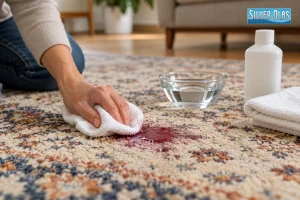
- Blot spills; don’t rub them. Press a clean, dry cloth on the spill and lift. Rubbing spreads the stain and can fray the fabric.
- Follow the care label. Use only products that match the fabric and the tag code.
- Rotate removable cushions. Flipping and swapping them spreads out wear so one seat doesn’t age faster than the rest.
- Limit direct sunlight. Long exposure fades some fabrics. Curtains or a slight furniture shift can help.
- Use throws or washable covers. Put them on the spots that get the most contact, like the armrests and the favorite corner seat.
How Do You Choose an Upholstery Cleaner in Oceanside, CA?
When comparing upholstery cleaning services in Oceanside, CA, look beyond price alone. These four questions can help you choose a company that understands your furniture and explains its cleaning process clearly.
- How do you assess the fabric and choose a method? A cleaner who asks about the fabric, checks the tag, and tests first is thinking about your furniture, not just rushing the job.
- What does the service include, and what are its limits? Ask about stain treatment, drying expectations, and anything that costs extra. A straight answer on what can and can’t be fixed is a good sign.
- Can I get a clear estimate? The price usually depends on the size of the piece, the fabric, how soiled it is, and what treatment it needs. Get the estimate in writing before work starts.
- What credentials and guarantee do you offer? Look for relevant certifications, insurance, and written guarantee terms, and don’t just take a claim at face value.
Any company that offers professional upholstery cleaning should answer all four without hesitation. Silver Olas offers professional upholstery cleaning in Oceanside, CA, helping homeowners care for their upholstered furniture.
Other Cleaning Services for Your Home
If more than one surface needs attention, you can ask about handling it in one visit. The same team also does carpet cleaning, area and Oriental rug cleaning, tile, grout, and stone cleaning, wood floor care, and 24-hour flood service.
Final Thoughts: Keep Your Furniture Fresh
Vacuuming and quick spot cleaning keep a couch tidy, but they can’t remove everything. Professional upholstery cleaning reaches the buildup that dulls fabric, holds odors, and wears fibers down. It works best when you match the method to the fabric, set realistic expectations on stains, and keep up simple habits in between.
If your furniture is overdue, Silver Olas offers free written estimates, and you can call the Oceanside office at (760) 753-0969 to ask about your sofa, chairs, or sectional.
FAQs
- Do I need to be home while my furniture is cleaned?
Policies differ between companies, so ask when you book. At minimum, someone usually needs to let the technician in and review the work afterward.
- Can old pet accidents be removed from a couch?
Sometimes. If the accident only reached the fabric, treatment can work well. When urine soaks into the padding, it’s much harder, and it may need a deeper treatment like a dedicated pet stain removal service.
- Can leather furniture be cleaned the same way as fabric?
No. Leather needs different products and methods, and the wrong cleaner can dry or discolor it. Ask whether a company works on leather before you book.
- Is it worth cleaning an old couch?
If the frame is solid, the cushions still have support, and the fabric isn’t worn through, it’s often worth a look. Get an estimate and weigh it against what a replacement would cost you.
5. How much does upholstery cleaning cost in Oceanside, CA?
Prices depend on the piece, the fabric, and how soiled it is. As a general U.S. guide (not an Oceanside quote), a sofa often runs about $120-$250 and a chair or loveseat$40-$120, so ask for a written estimate.
- What should I do if my furniture still feels damp or smells after cleaning?
Some dampness is normal for the first few hours, so improve airflow with open windows, a fan, or the AC, and keep kids and pets off until the fabric is fully dry. If it still feels wet or smells musty after 24 hours, contact the company promptly so they can inspect it and fix the problem before moisture causes lasting damage.
- What if I’m not happy with the results?
Before booking, get the guarantee terms in writing, including what’s covered and how long you have to report an issue. If something looks wrong, take clear photos once the furniture is fully dry and contact the company right away so they can review the work.