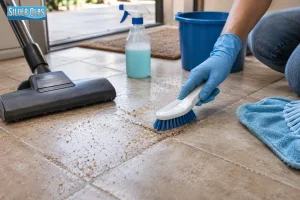
Your stone floor looks dull. Maybe there’s a cloudy patch near the sink, or grout that never looks clean. So what does it need: a deep clean or a real repair?
Cleaning removes dirt and buildup. Restoration fixes damage like scratches, etching, and worn shine. Picking the right tile and stone restoration & cleaning service starts with knowing which one your floor needs.
Below, you’ll see how the two differ, which surfaces can be saved, and how to pick a pro. Silver Olas cleans and restores tile and stone for Oceanside homes, so the advice here stays practical.
Table of Contents
ToggleWhat Is the Difference Between Stone Cleaning and Stone Restoration?
Cleaning removes dirt, grime, and stains that sit on the surface. Restoration repairs the surface itself, such as scratches, etching, and dull spots. Think of a car. A wash removes road dirt. Paint repair fixes scratches. Both matter, but they solve different problems.
Tile and stone cleaning services focus on lifting buildup out of stone, tile, and grout. Restoration goes further and changes how the surface looks and feels. Here’s a quick side-by-side:
| Cleaning | Restoration | |
| Goal | Remove dirt, grime, and buildup | Repair a worn or damaged surface |
| Fixes | Dirty grout, soap scum, surface stains | Etching, scratches, dull finish, pits |
| Typical steps | Cleaning and rinsing | Honing, polishing, filling, sometimes sealing |
| How often | Regularly | Only when damage shows |
A professional visit usually starts with cleaning. Restoration comes next only if the stone shows real damage.
Stone Restoration vs Maintenance: What Does Your Floor Need?
If your stone is clean but still looks dull or marked, it needs restoration. If it’s just dirty, regular maintenance is enough.
Here’s how to tell which one you’re dealing with.
Signs your stone only needs maintenance
Maintenance is enough when the problem sits on top of the stone. Look for these signs:
- Grime packed into the grout lines
- A light film from soap or hard water
- A floor that looks dull before mopping but better after
- Shine that returns after a proper clean
Signs it needs full restoration
Restoration is the better call when the damage is in the stone itself. Watch for these signs:
- Dull spots that stay after cleaning
- Ring marks or cloudy patches (etching)
- Scratches that catch the light
- Deep stains that won’t lift
- Small pits or holes in travertine
- Worn paths where people walk the most
A gentle clean can help you tell the difference. Test any cleaner on a hidden spot first, and follow the label. If the dullness stays, it’s likely damage, not dirt.
Why do tile and stone lose their shine?
Most shine loss comes from daily life. Grit from shoes scratches the surface. Acidic cleaners like vinegar can etch marble. Sealer wears off over time. Hard water and soap scum build up in showers. Many people keep re-cleaning a floor when the real issue is damage. That wastes time and money.
Which Tile and Stone Surfaces Can Be Restored?
Natural stone restoration services can handle most stone types, and many tile surfaces can be refreshed too. The method depends on the material, which is why tile and stone restoration & cleaning is never one-size-fits-all.
Here’s how the common surfaces differ:
- Marble: Acids like lemon juice or vinegar can etch it. Marble honing and polishing can often remove light etching and bring the shine back.
- Travertine: It has natural holes that collect dirt. Pits can be filled, then the surface is honed and sealed. Travertine cleaning and sealing helps keep dirt out of those holes.
- Limestone and slate: Limestone is soft and scratches easily. Slate hides dirt well but can look dry and faded without the right care.
- Granite: It’s hard, so it often needs good cleaning and sealing. The right treatment still depends on the finish and the damage.
- Ceramic and porcelain tile: The tile itself is tough. The grout takes the beating, and grout cleaning and sealing often make the biggest visible change.
Showers and countertops count too. Soap scum, hard water spots, and kitchen stains are common there.
How Does Professional Stone Restoration Work?
Professional tile and stone restoration & cleaning follows a set order, though the exact steps change with your stone. A typical stone floor restoration looks like this:
- Inspect and test. The pro checks the stone type, the damage, and the old sealer. A small test area shows what will work.
- Deep clean. Dirt and old buildup come off first.
- Hone. If the stone has scratches or etching, honing smooths them out.
- Polish. Polishing brings back shine where the finish calls for it.
- Fill and repair. Small pits, holes, or grout gaps get filled.
- Seal, if needed. Sealing isn’t needed for every surface, so your pro will tell you if yours needs it.
Not every floor needs every step. A floor with only buildup might need just a deep clean, and maybe sealing. Results also depend on how deep the damage goes, so a pro should tell you what’s realistic before starting.
Why Does Sealing Matter for Tile and Stone?
Sealer slows down how fast liquids soak into stone and grout. It doesn’t make stone stain-proof, and not every surface needs it.
Stone polishing and sealing often go hand in hand. Polishing brings back the shine, and sealing can help protect it. Tile and stone sealing works best after cleaning or restoration, because sealer over dirt traps the dirt. How often you need to reseal depends on the stone, foot traffic, and the sealer used. Ask your pro for a plan that fits your floor.
Here’s a rough check. Drop a little water on the stone. If it soaks in and darkens the spot fast, the sealer may be worn. It’s only a hint, since results vary by stone and finish, so ask a pro to confirm.
Top Tile and Stone Cleaning Services in Carlsbad, CA
How Do You Care for Tile and Stone Between Professional Visits?
Small habits protect your floors more than any big clean. Try these:
- Sweep or dust-mop often, because grit scratches stone
- Use a cleaner made for your type of stone, and test it on a hidden spot first
- Wipe up wine, juice, and coffee right away
- Skip vinegar, lemon, and bleach on natural stone, and check that any cleaner suits your stone, grout, and sealer
- Put mats at doors and felt pads under furniture
- Squeegee shower walls after use
Mopping can’t reach deep buildup, though. Regular tile cleaning services in Oceanside can handle what daily care misses, and they help you avoid repairs later.
What Affects the Cost of Tile and Stone Restoration in Oceanside?
The price of tile and stone restoration & cleaning depends on the job, so no fair flat number exists without seeing the floor. These factors move the price most:
- Size of the area
- Type of stone or tile
- How serious the damage is
- Which steps are needed (cleaning, honing, polishing, filling, sealing)
- Hard-to-reach spots like showers and stairs
For a rough hint, tile and stone installation, which is a different job, often runs about $10 to $20 per square foot, including labor and materials. It still varies by material, size, and project complexity. Restoration and cleaning are priced on their own, so treat that number as a ballpark, not a quote.
Ask for a written estimate that lists each step of the tile and stone restoration & cleaning work. That makes it easy to compare quotes.
How Much Does Tile and Grout Cleaning Cost in Carlsbad?
How to Choose a Tile and Stone Restoration Company in Oceanside?
Choose a company that inspects your stone first and explains the plan before touching it.
Searching for stone restoration Oceanside turns up a long list of names, and not all of them handle natural stone well. If you’re comparing the best tile cleaning services Oceanside has to offer, these six steps help you sort them:
- Ask about stone experience. Marble and travertine need different care than basic tile.
- Request an inspection or test patch. A good pro won’t guess.
- Ask what’s included. Cleaning, honing, polishing, and sealing should be listed.
- Get a written estimate. It should match what was discussed.
- Ask about products. Acid-based or harsh cleaners are a red flag on natural stone.
- Check reviews and past work. Photos of similar stone jobs help.
A company that offers tile and stone restoration & cleaning under one roof also saves you from hiring two separate crews.
Silver Olas does more than tile and stone. The team also cleans carpet, area rugs, upholstery, and wood floors, and handles flood and water damage cleaning. Besides Oceanside, the company serves homes in Carlsbad, Murrieta, Encinitas, Vista, San Diego, Rancho, and Solana Beach. If you live nearby, you can book the same kind of stone and tile care in your area.
Start With the Right Fix
Dirty stone needs cleaning. Damaged stone needs restoration. Most floors need a mix, and the right tile and stone restoration & cleaning plan saves you from paying for steps you don’t need.
Not sure which one your floors need? Silver Olas can inspect them for you. Call the Oceanside office at (760) 753-0969 to book an inspection or ask for a quote.
FAQs
- Can etched marble be repaired?
Often, yes. Light etching can usually be honed and polished away. Deep etching may need more work, and results depend on the stone. A pro should inspect it first and tell you what’s realistic. - Is honing the same as polishing?
No. Honing smooths the stone and removes scratches, leaving a soft matte look. Polishing comes after and brings back the glossy shine. Some floors are only honed, depending on the finish you want. - Can travertine holes be filled?
Yes. Pros fill the natural holes and pits with a filler made for stone, then hone and seal the surface if needed. This makes the floor smoother and easier to keep clean. - Does restoration remove deep stains?
Sometimes. Stains that sit on top come out more easily. Stains that soaked deep can fade but may not vanish completely. A pro can test a small spot and tell you what to expect. - How long does restoration take?
It depends on floor size, stone type, and damage. A small bathroom takes less time than a whole first floor. Ask for a time estimate in your written quote, including dry time. - Is restoration worth it, or should I replace the floor?
If the stone is solid and the damage is on the surface, restoration is often the less messy route. Replacement makes more sense for cracked, loose, or badly broken stone. Ask a pro to inspect it first. - Can shower tile and stone be restored?
Often, yes. Soap scum and hard water buildup can be cleaned, grout can be cleaned and sealed, and stone showers can be honed. Loose tile or heavy damage may need repair first.