Protect carpets from heavy foot traffic is mainly about reducing direct wear, stopping dirt from getting deep into fibers, and maintaining a regular cleaning routine. When carpets are used in busy areas like hallways, living rooms, offices, or entryways, they naturally start to flatten, collect dust, and lose their original look. However, with the right care habits, you can significantly extend their life and keep them looking fresh and clean for years.
The key idea behind carpet protection is simple: prevent damage before it happens instead of trying to fix it later.
Table of Contents
ToggleWhy Carpets Get Damaged in High-Traffic Areas?
Carpets in busy spaces go through constant pressure every day. Foot traffic brings in dust, moisture, and small particles that slowly break down carpet fibers. Over time, this leads to dull color, flattened texture, and permanent stains. Even furniture weight and sunlight exposure can add to the damage.
When these factors combine, the carpet starts looking old much faster than expected. That is why prevention is always more effective than repair.
Practical Ways to Protect Carpets from Heavy Foot Traffic
The most effective way to protect carpets is by controlling how much direct contact they get from shoes, furniture, and dirt. One of the simplest methods is using runners or area rugs in high-traffic zones. These act as a protective layer and absorb most of the daily wear, especially in hallways and entry areas.
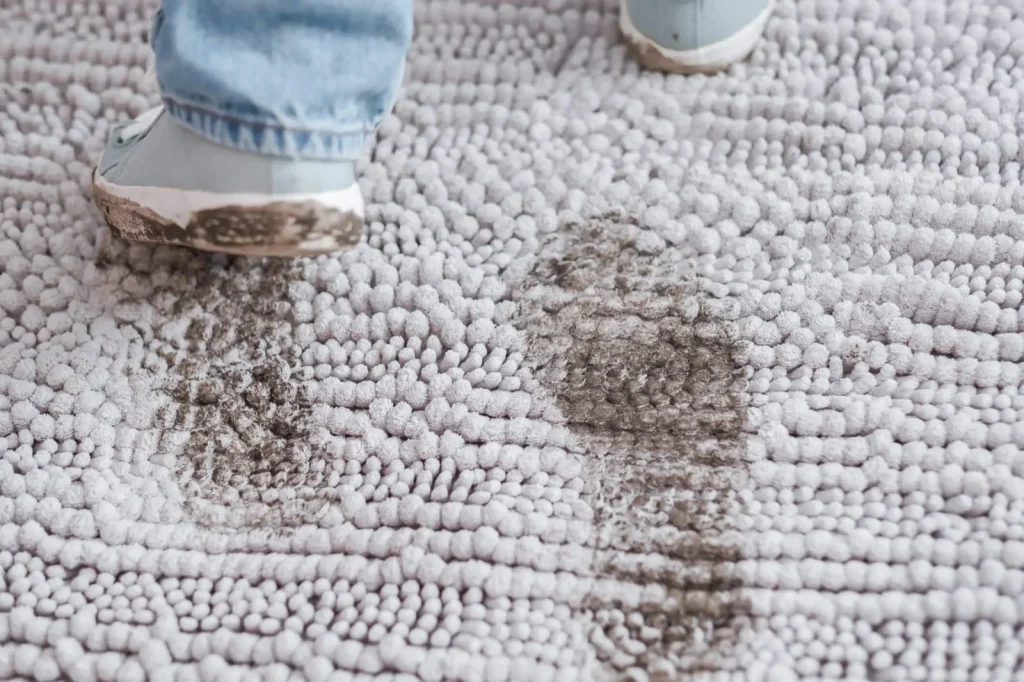
Another important habit is removing shoes before entering carpeted areas. Shoes carry dirt, oil, and small stones that damage carpet fibers over time. When this is avoided, carpets stay cleaner for much longer and require less deep cleaning.
Use Runners and Area Rugs for Protection
- The most effective way to protect carpets is by controlling how much direct contact they get from shoes, furniture, and dirt.
- One of the simplest methods is using runners or area rugs in high-traffic zones.
- These act as a protective layer and absorb most of the daily wear, especially in hallways and entry areas.
Remove Shoes Before Entering Carpeted Areas
- Another important habit is removing shoes before entering carpeted areas.
- Shoes carry dirt, oil, and small stones that damage carpet fibers over time.
- When this is avoided, carpets stay cleaner for much longer and require less deep cleaning.
Maintain a Regular Vacuuming Routine
- Regular vacuuming is very important for carpet care.
- High-traffic areas should be vacuumed more frequently because dust and debris settle quickly into the fibers.
- When dirt is removed early, it does not get pressed deep into the carpet, where it becomes harder to clean.
Protect Carpet from Furniture Damage
- Furniture placement also plays a role in carpet protection.
- Heavy furniture can leave permanent marks on carpets.
- Using protective pads under chairs, tables, and sofas helps distribute weight evenly.
- Moving furniture slightly every few months also prevents one area from becoming overly worn.
Cleaning and Maintenance Routine
Even with protection, carpets still need regular maintenance. Vacuuming should be part of a weekly routine, especially in busy spaces. This helps maintain the texture and prevents dirt buildup.
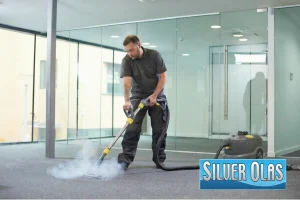
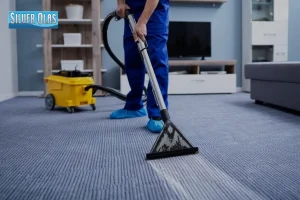
Deep cleaning is equally important. Over time, dirt settles deep into the carpet where normal vacuuming cannot reach it. Professional or steam cleaning once or twice a year helps restore the carpet’s original color and removes hidden bacteria.
Spill management is another key factor. Any liquid or stain should be cleaned immediately instead of letting it dry. Quick action prevents permanent staining and keeps the carpet looking new.
Comparison of Carpet Protection Methods
| Protection Method | Purpose | Best Use Area | Maintenance Level | Effectiveness |
| Area Rugs & Runners | Reduce direct wear | Hallways, entryways | Low | High |
| No-Shoes Policy | Prevent dirt entry | Whole home/office | Very Low | High |
| Vacuuming | Remove surface dirt | All carpeted areas | Medium | High |
| Furniture Pads | Prevent pressure damage | Living rooms, offices | Low | Medium |
| Deep Cleaning | Restore carpet condition | Entire carpet | Low (occasional) | Very High |
Common Mistakes That Damage Carpets
- Many people unintentionally reduce carpet life by delaying cleaning or ignoring early signs of wear.
- Letting spills sit for too long can lead to permanent stains and deep fiber damage.
- Using harsh chemicals may weaken carpet fibers and cause discoloration.
- Not vacuuming regularly allows dust and dirt to build up inside the carpet.
- Dragging furniture instead of lifting it can tear or stretch carpet fibers.
- Avoiding these habits is just as important as using protection methods.
Professional Carpet Care Importance
While home care is essential, professional cleaning plays a major role in long-term carpet protection. In busy regions like Oceanside, for example, services such as professional carpet cleaning Oceanside help remove deep dirt, restore fiber strength, and improve carpet appearance.
Professional cleaning reaches areas that regular vacuuming cannot, making it an important part of full carpet maintenance.
Simple Daily and Weekly Routine
A good carpet care routine does not need to be complicated. Daily care includes keeping entry areas clean and quickly addressing any spills. Weekly care focuses on vacuuming high-traffic areas and checking for early signs of wear. On a longer schedule, deep cleaning ensures the carpet stays fresh and durable.
Consistency matters more than effort. Small actions done regularly are more effective than occasional deep cleaning only.
Seasonal Carpet Care
Seasonal changes have a direct impact on carpet condition because dust, moisture, and humidity levels change throughout the year. If carpets are not cared for according to the season, they can quickly develop stains, odor, mold, and fiber damage. That is why adjusting your carpet care routine with the weather is very important for long-term protection.
- In dusty months, carpets collect more dry dirt, which quickly settles into fibers.
- During these months, vacuuming should be done more frequently to prevent buildup and dull appearance.
- In rainy seasons, moisture becomes the main problem for carpets.
- Wet shoes and damp air can lead to bad odor and mold growth if not controlled properly.
- Using mats at entry points helps reduce water and mud from entering carpeted areas.
- In humid weather, proper ventilation is important to keep carpets dry and fresh.
- During dry winter months, static dust can increase, so regular cleaning is still necessary.
- Adjusting cleaning habits based on the season helps maintain carpet texture and color for a longer time.
| Season | Main Carpet Problem | Recommended Action | Frequency | Result |
| Dusty Season | Dirt and dust buildup | Increase vacuuming | 3–4 times/week | Cleaner fibers |
| Rainy Season | Moisture & mud | Use mats & dry floors quickly | Daily | Prevent mold & odor |
| Winter Season | Dry dust & static | Regular vacuum + ventilation | 2–3 times/week | Fresh carpet feel |
| Humid Season | Damp smell risk | Air circulation & drying | Daily | No bad odor |
| Normal Season | Light wear | Routine cleaning | Weekly | Long carpet life |
Conclusion
Protect carpets from heavy foot traffic is not difficult when you follow simple and consistent habits. Using rugs, controlling shoe entry, maintaining regular vacuuming, and scheduling deep cleaning all work together to preserve carpet life. The goal is to reduce wear before it becomes visible damage. With proper care, carpets can stay clean, soft, and visually appealing for many years, even in high-traffic areas.
If your carpet already shows signs of heavy wear, flattening, or stains, now is the right time to get in touch today for a proper maintenance routine or consider professional cleaning services. Early action can restore appearance and prevent further damage, saving both time and replacement cost in the long run.
FAQs
- How often should carpets in high-traffic areas be cleaned?
High-traffic areas should be vacuumed several times a week and deep cleaned at least once or twice a year. - What is the most effective way to protect carpets?
A combination of runners, a no-shoes policy, and regular vacuuming works best. - Can heavy foot traffic permanently damage carpets?
Yes, without proper care, carpets can develop permanent flattening and staining. - Do rugs really help protect carpets?
Yes, rugs absorb most of the foot pressure and reduce direct carpet wear. - Is professional cleaning necessary?
Yes, it helps remove deep dirt and restores carpet fibers that regular cleaning cannot reach.