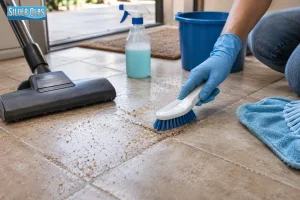
If your marble looks dull, etched, or stained, marble restoration services in Murrieta can bring back a smooth, even finish. A pro hones out the damage, polishes the surface, and seals it. The goal is marble that looks like marble again.
Marble is beautiful. But it’s soft, and it’s picky. A splash of lemon juice, years of foot traffic, or a hard water ring can leave marks that no regular cleaner will fix. So this page is for Murrieta homeowners with marble floors, counters, or showers who want to know what’s fixable, how it works, and what to expect.
Table of Contents
ToggleWhat is marble restoration, and when do you need it?
Marble restoration is a process that repairs damaged, dull, or stained marble and brings back an even finish. You usually need it when regular cleaning no longer helps. Marble is a natural stone, so it wears down and reacts to acids over time.
Here are the signs it’s time to call a pro:
- Dull or cloudy spots that stay after cleaning
- Light patches or rings, often called etch marks
- Scratches and scuff marks in walkways
- Stains that keep coming back
- Shine that looks different from room to room
- Yellowing or discolored areas
Not sure which one you’ve got? Run your fingers over the spot. A rough, dull patch is often etching. A smooth but cloudy area is often plain wear. Either way, a pro can tell you for sure.
What’s the difference between cleaning, honing, polishing, and sealing?
Cleaning removes dirt. Honing smooths out etching and scratches. Polishing brings back the shine. Sealing helps protect the stone from stains. They often work together, but each does a different job, so the right mix depends on what’s wrong with your marble.
This table shows how they compare:
| Service | What it does | Best for |
| Cleaning | Lifts dirt and grime | Marble that’s dirty but not damaged |
| Honing | Levels the surface with fine abrasives | Etch marks, light scratches, uneven spots |
| Polishing | Brings back a glossy shine | Dull but smooth marble |
| Sealing | Adds a protective layer | Restored marble that needs stain protection |
Here’s the simple rule: honing fixes the damage, and polishing brings back the shine. Lots of people search for marble polishing Murrieta has to offer, but polishing alone won’t remove an etch mark. Marble honing and polishing go hand in hand for floors with real wear. Marble sealing comes last. It helps repel spills, so you get more time to wipe them up. It doesn’t make marble stain-proof.
And if your marble is only dirty, regular tile and stone cleaning may be all you need. Restoration is for damage that cleaning can’t fix.
What marble problems need professional restoration?
Dull surfaces, etching, scratches, stains, uneven finishes, and lost shine are the main problems a pro can fix. Some are surface-level. Others go deeper. Many improve a lot, though how much depends on the damage.
Here’s what we see most often:
- Dull and cloudy surfaces. Foot traffic and harsh cleaners slowly wear down the polish.
- Scratches and scuff marks. Grit under shoes and furniture legs causes most of them. Light marks often improve with honing. Marble scratch removal gets harder as scratches get deeper.
- Acid etching and water rings. Lemon, vinegar, wine, and some cleaners eat away a thin layer of marble. That leaves a dull mark, not a stain. Marble stain and etch removal usually means leveling the spot, then polishing it. Hard water is common in Southern California, and it can leave rings and spots, especially in showers.
- Stubborn stains and discoloration. Oil, coffee, rust, and ink can soak in. Whether they come out depends on the source and how long they sat. We use advanced stain removal methods for this.
- Uneven finish. Hallways and kitchens wear faster than other rooms. Restoration helps blend the look back together.
- Loss of natural shine. Years of use can leave marble looking flat. Polishing often brings the glow back.
What can’t be fixed with polishing? Deep chips, cracks, and structural damage may need repair first. A good pro will tell you that before the work starts.
How does the marble restoration process work?
A typical marble restoration follows a set order: inspect, clean, treat stains, hone, polish, and seal. Skipping a step usually shows later. The exact plan depends on your marble and what’s wrong with it.
Here’s the usual flow:
- Inspect and test. The tech checks the type of marble, the finish, and the damage. A small test spot shows how the stone reacts.
- Protect the area. Nearby surfaces and furniture get covered before work begins.
- Deep clean. Dirt and old residue come off first, so they don’t get ground into the stone.
- Treat stains. The method fits the source of the stain. A poultice, for example, is a paste that draws stains out of the stone.
- Hone. Fine abrasives level out etching, scratches, and uneven spots. The work usually moves from coarser to finer.
- Polish. This step brings back the shine.
- Seal. A stone sealer goes on once the marble is clean and fully dry.
- Final check. The tech looks over the surface and walks you through the results.
Before you hire anyone, ask them to explain their plan in these steps. If they can’t, keep looking.
Which marble surfaces can be restored?
Marble floors, countertops, shower walls, stairs, and fireplace surrounds can often be restored. The method changes with the surface. A floor needs even coverage, while a shower needs extra care around water and grout.
Marble floor restoration is the most common job. Floors take the most wear, so dullness and scratches show up there first. Countertops usually suffer from etching, since kitchens are full of acids. Showers deal with soap scum and hard water. Got travertine or limestone instead? They’re natural stones too, with their own needs, so ask us about them. Tell us what you have. If a surface isn’t a good fit for restoration, we’ll say so.
Want to see what else we do with marble across the county? Read our guide to professional marble restoration and polishing services in San Diego, CA, for more tips and details.
How much do marble restoration services in Murrieta cost?
There’s no single price for marble restoration. The cost depends on the size of the area, the type of marble, and its condition. We give you a free written estimate before we start, so you know the price up front.
Here’s what moves the price:
- Size. More square feet means more time.
- Condition. Light dullness is quicker to fix than deep etching.
- Finish. A soft honed look and a high gloss take different steps.
- Surface. Floors, counters, and showers each have their own challenges.
- Access. Heavy furniture and tight spaces can add work.
- Repairs. Chips or cracks may need fixing before polishing.
So be careful with a flat price over the phone. Marble varies too much for that. Ask for the price in writing.
Why choose Silver Olas for marble restoration in Murrieta?
Choose a restoration company that’s local, insured, and clear about the work. Silver Olas is a family-owned cleaning company serving homes and businesses in Murrieta and nearby communities. We clean and restore carpet, rugs, tile, stone, upholstery, and more.
Here’s what that means for you:
- Family-owned. You’re dealing with real people who care about their name.
- IICRC-certified technicians. Our team has formal training.
- Bonded and insured. You’re protected if something goes wrong.
- Eco-friendly products and advanced stain removal. We aim for a clean result that’s gentle on your home.
- Free written estimates. You get the price before the work starts.
- A 30-day guarantee on our work. If something’s not right, tell us.
We handle more than stone. Our other cleaning services in Murrieta cover carpet, tile, upholstery, and more.
How do you keep marble looking good after restoration?
Use a pH-neutral cleaner, wipe up spills right away, and keep acids away from the surface. Those three habits protect most of the shine. Marble still needs care over time, since it’s a soft, natural stone.
Here’s a simple routine:
- Use a pH-neutral marble cleaner. Harsh cleaners dull the surface.
- Wipe spills right away. Blot wine, juice, coffee, and oil. Don’t rub.
- Skip vinegar, lemon, and acidic cleaners. They can etch marble, even when diluted.
- Use soft microfiber cloths. Rough pads and brushes can scratch.
- Protect against scratches. Put mats at doors, felt pads under furniture, and coasters under glasses.
Rugs and mats at the door help a lot. But dirty ones trap grit, and grit scratches marble. So keep them clean too. Sealer wears down over time. Here’s a quick test: drop a little water on the marble. If it darkens and soaks in, it may be time to reseal. How often depends on how much the surface is used.
Ready for a free marble restoration quote in Murrieta?
If your marble looks dull, etched, or tired, you don’t have to live with it. Marble restoration services in Murrieta can bring back a smooth, even finish, often without replacing a thing. It starts with a close look at your stone.
Silver Olas is a family-owned team with IICRC-certified technicians, full insurance, and a 30-day guarantee on our work. We’ll check your marble, explain the plan in plain words, and give you a free written estimate before we start. Ready to get started? Request a free quote or call (951) 579-4200.
FAQs
- How long does marble restoration take?
It depends on the size of the area and the damage. A small countertop may take a few hours, while a large floor can take a day or more. We’ll give you a time estimate after we see the marble. - Can etched marble be fixed?
Often, yes. Etching is a loss of polish, not a stain, so honing and polishing can level it out. Deep or widespread etching takes more work, and results depend on the stone. - What’s the difference between honing and polishing marble?
Honing smooths the surface and removes etching and light scratches, leaving a soft, matte look. Polishing comes next and adds a glossy shine. Many jobs need both, in that order. - Will restoration make a lot of dust or mess?
Marble restoration is often done wet, which keeps dust low. Expect some water and slurry, which gets cleaned up afterward. Ask about the plan before work starts so you know what to expect in your home. - How often should marble be sealed?
It depends on how much the surface is used. Busy kitchens and showers may need sealing more often than low-traffic floors. A water drop test can help. If water soaks in and darkens the stone, resealing may be due. - Can you restore marble countertops?
Often, yes. Kitchen counters get etched by lemon, wine, and cleaners, and honing and polishing can help. Tell us what you’ve got, and we’ll let you know honestly what’s possible. - Can cracks or chips be repaired?
Small chips and cracks can often be filled, but serious or structural damage may need stone repair first. Restoration works best on a solid surface. We’ll check before we start and tell you if repair comes first. - How do I get a quote for marble restoration services in Murrieta?
Ask for a free written estimate. Tell us the surface, the size, and what’s wrong with it. Call (951) 579-4200 or request a quote on our site. We’ll confirm the price in writing before any work starts.